
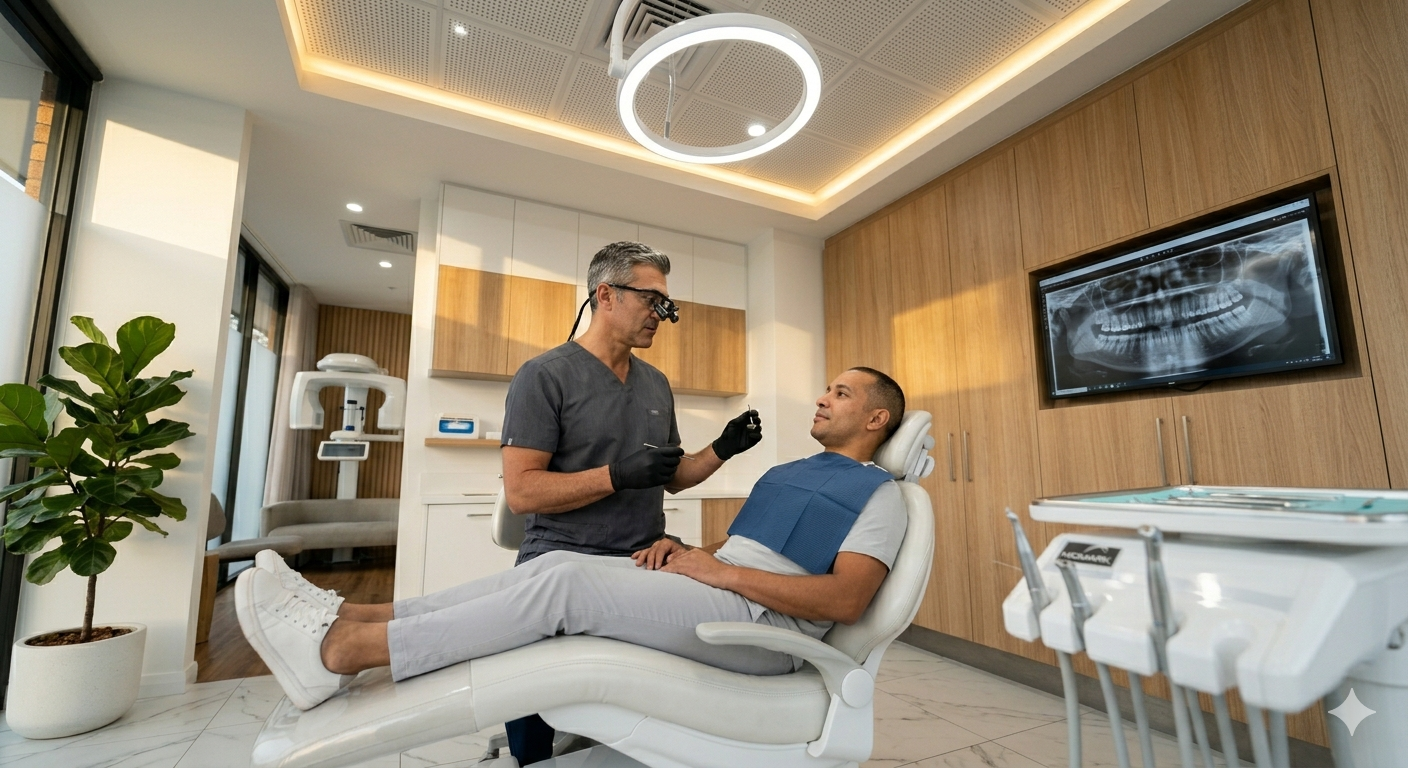
Sleep apnea can cause frequent interruptions in breathing during sleep, leading to restless nights and daytime fatigue. For those in Branchburg, NJ, effective treatment options are available that can improve quality of life and overall health.
The most effective sleep apnea treatment in Branchburg combines modern dental devices and personalized care to keep airways open safely while you rest. Local providers offer gentle, convenient solutions that fit each patient’s needs, focusing on comfort and long-term benefits.
Understanding these treatments helps people feel more confident about seeking help. Branchburg residents can find expert guidance and support to start sleeping better and waking up refreshed.
Understanding Sleep Apnea
Sleep apnea is a common condition that interrupts breathing during sleep, leading to poor rest and daytime fatigue. Recognizing the signs, knowing why early identification is important, and understanding the basics can help those affected take the right steps toward treatment.
What Is Sleep Apnea?
Sleep apnea occurs when the airway becomes partially or completely blocked during sleep. This causes breathing to stop and start repeatedly, often without the person being aware. There are two main types: obstructive sleep apnea (OSA), caused by airway blockage, and central sleep apnea, caused by the brain not sending proper signals to breathe.
OSA is the most common and happens when soft tissues in the throat relax too much. This prevents air from flowing freely. Episodes can last from a few seconds to a minute and may happen dozens of times per hour.
Common Symptoms to Look For
People with sleep apnea often experience loud snoring, gasping, or choking sounds during sleep. These are key signs indicating interrupted breathing. Other common symptoms include excessive daytime sleepiness, morning headaches, difficulty concentrating, and mood changes like irritability or depression.
It’s also common for partners to notice pauses in breathing or restless sleeping. Feeling constantly tired despite getting a full night’s sleep is a big red flag. Recognizing these symptoms early helps guide patients to get the proper diagnosis.
Why Early Detection Matters
Catching sleep apnea early can prevent serious health issues like high blood pressure, heart disease, and stroke. Untreated sleep apnea stresses the body and brain with repeated oxygen drops and poor sleep quality. This can affect memory, alertness, and overall well-being.
Early diagnosis allows for a wide range of treatment options. From lifestyle changes to dental devices or CPAP therapy, addressing sleep apnea promptly improves quality of life. It also reduces risks of accidents caused by daytime drowsiness. Encouraging anyone noticing symptoms to seek evaluation is an important step toward better health.
How Sleep Apnea Affects Your Health
Sleep apnea impacts both daily life and long-term well-being. It often leads to problems with energy, focus, and emotional health. If left untreated, it can increase the risk of serious medical conditions that affect the heart and brain.
Day-to-Day Impact
People with sleep apnea frequently experience loud snoring and interrupted breathing during sleep. This leads to poor sleep quality, causing daytime fatigue, difficulty concentrating, and mood swings. Simple tasks can feel more challenging due to decreased alertness.
Family members may notice irritability and memory issues. Driving or operating machinery can become dangerous because of frequent drowsiness. Untreated sleep apnea also contributes to headaches and dry mouth upon waking.
Long-Term Risks
Sleep apnea increases the risk of high blood pressure and heart disease. Repeated drops in oxygen levels strain the cardiovascular system. Over time, this raises the chance of heart attacks, strokes, and irregular heartbeats.
It can also worsen existing conditions like diabetes and lead to metabolic problems. Untreated sleep apnea has been linked to increased mortality. Early diagnosis and treatment are crucial to prevent these serious health risks.
Personalized Diagnosis in Branchburg NJ
Getting the right sleep apnea treatment starts with an accurate, tailored diagnosis. The process includes careful evaluation and effective use of testing technology to understand each patient’s unique condition.
The Importance of a Professional Assessment
A professional assessment is crucial because sleep apnea symptoms often overlap with other health issues. In Branchburg, experienced practitioners focus on detailed patient history, lifestyle factors, and symptom patterns like snoring, daytime fatigue, and breathing pauses.
This thorough review helps rule out other conditions and determines how severe the apnea is. The assessment is not a one-size-fits-all approach: it considers age, weight, medical background, and sleep habits to shape the best treatment plan.
Diagnostic Tools Used Locally
Branchburg clinics use a range of diagnostic tools to pinpoint sleep apnea accurately. The most common is the home sleep apnea test (HSAT), which lets patients record breathing patterns, oxygen levels, and heart rate overnight in their own bed.
For more complex cases, an in-lab polysomnography may be ordered. This overnight study monitors brain activity, eye movement, muscle activity, and airflow. These detailed insights allow specialists to classify apnea type and severity, guiding personalized treatment decisions.
By combining patient input with modern technology, Branchburg providers ensure that diagnosis is both precise and comfortable.
Modern Treatment Solutions
Sleep apnea treatments have come a long way, offering options beyond the traditional machines. These solutions focus on comfort, effectiveness, and fitting individual lifestyles.
Custom Oral Appliances
Custom oral appliances are designed to gently reposition the jaw and tongue to keep the airway open during sleep. Unlike bulky devices, these are tailored to fit comfortably like a sports mouthguard.
They are a popular option for those with mild to moderate sleep apnea or who cannot tolerate CPAP machines. Made from BPA-free materials, patients usually wear them nightly.
Benefits include easier travel, quieter use, and simple maintenance. Regular follow-ups ensure the device fits well and continues to work effectively. It’s important to get these appliances from a dental specialist experienced in sleep medicine.
CPAP Alternatives
Not everyone adapts well to Continuous Positive Airway Pressure (CPAP) machines. For these individuals, alternatives like positional therapy or hypoglossal nerve stimulation offer relief.
Positional therapy uses devices or techniques to encourage side sleeping, reducing airway obstruction. Hypoglossal nerve stimulation is a small implant that activates muscle tone in the airway, preventing collapse during sleep.
Both options require medical evaluation and are often recommended when oral appliances or CPAP aren’t suitable. They provide effective treatment for moderate to severe cases, improving sleep quality without a bulky mask.
Patients are encouraged to discuss these alternatives with their healthcare provider to find the best fit for their needs.
Choosing the Right Treatment for You
Selecting the best sleep apnea treatment depends on several key factors, including the type and severity of apnea, lifestyle, and overall health. Understanding these elements helps patients find practical solutions that fit their daily routines and comfort needs.
Factors That Guide Recommendations
Treatment starts with a thorough evaluation of the patient’s specific sleep apnea type and severity. Mild cases may benefit from simple lifestyle changes, like weight management or sleeping on the side, while moderate to severe apnea often requires devices or therapy.
Common treatments include:
- CPAP machines for continuous airway pressure
- Oral appliances that adjust jaw position
- Surgery in rare, severe cases
Other factors influencing recommendations are medical history, tolerance for devices, and patient preferences. For example, someone unable to tolerate a CPAP mask might do better with an oral appliance designed to keep airways open gently.
Working Closely With Your Dental Team
Collaboration with dental professionals experienced in sleep apnea is crucial for effective treatment. Dentists can customize oral devices, ensuring they fit well and work properly without causing discomfort.
Regular follow-ups allow adjustments to improve comfort and effectiveness. They also monitor dental health impacts, like jaw pain or tooth movement. Open communication helps address concerns quickly and keeps treatment on track.
Patients should feel comfortable asking questions and sharing their experiences. This teamwork builds confidence and makes managing sleep apnea more manageable and personalized.
What to Expect During Your Visit
The visit begins with a detailed review of symptoms and medical history, followed by a personalized approach to testing and treatment options. The team prioritizes patient comfort and clear communication at every step.
First Consultation Experience
The initial consultation involves a thorough discussion about sleep habits, daytime fatigue, and any breathing difficulties during sleep. The specialist may use questionnaires or sleep diaries to get a fuller picture.
Next, physical exams focus on the oral cavity, throat, and nasal passages to check for any obstructions. If needed, they’ll recommend an overnight sleep study or home sleep test to measure breathing patterns.
The goal here is to diagnose the type and severity of sleep apnea accurately, so treatment can start on the right foot. Patients can expect clear explanations about next steps and what the testing will involve.
Comfort-Focused Care
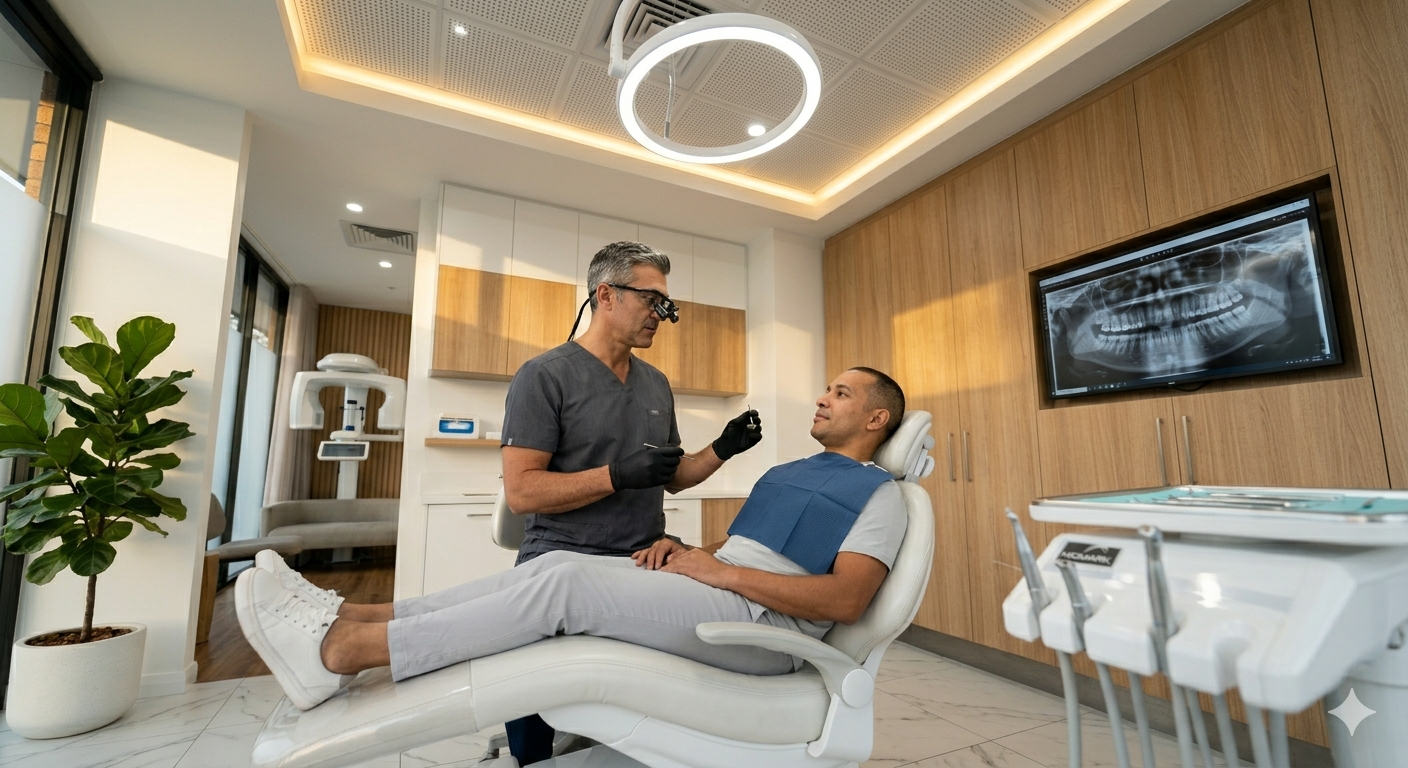
During all visits, comfort is a priority. The office environment is designed to be welcoming, with gentle lighting and calming decor to ease any anxiety.
Treatment options, such as CPAP machines or custom oral appliances, are chosen to fit the patient’s lifestyle and preferences. The team takes time to ensure the device fits well and answer any questions.
Follow-up appointments focus on adjusting treatments for maximum comfort and effectiveness. Patients are encouraged to share feedback openly, so the care plan can be fine-tuned until they find the best fit.
Supporting Your Long-Term Wellness
Maintaining good health after starting sleep apnea treatment involves regular check-ins and making thoughtful lifestyle choices. These steps help ensure treatment stays effective and your sleep quality improves steadily.
Ongoing Monitoring and Adjustments
Regular follow-ups with your healthcare provider are essential. They review your treatment progress and may adjust devices like CPAP machines to fit your changing needs.
Tracking symptoms such as daytime fatigue or snoring helps guide these adjustments. Technology in many modern machines also records data that professionals can analyze remotely.
If discomfort or side effects occur, a timely appointment can address them before they worsen. Staying proactive ensures treatment remains comfortable and effective long-term.
Lifestyle Advice for Better Sleep
Simple daily habits can greatly support sleep apnea management. Maintaining a healthy weight reduces airway pressure, easing breathing at night.
Avoiding alcohol and sedatives near bedtime is crucial because they relax throat muscles and worsen apnea. Establishing a consistent sleep schedule also promotes deeper, more restorative sleep.
Sleeping on your side rather than your back prevents airway obstruction for many patients. Small changes like these complement medical treatment and improve overall wellness.
Next Steps Toward Restful Sleep
If someone suspects they have sleep apnea, the first step is to schedule a consultation with a dental specialist in Branchburg, NJ. The dentist will review symptoms and may recommend a sleep study to confirm the diagnosis.
Once diagnosed, there are modern treatment options available that prioritize patient comfort. These include custom oral appliances designed to keep airways open during sleep. Many find these devices easier to use than traditional CPAP machines.
Lifestyle changes often support treatment success. Losing weight, avoiding alcohol before bed, and sleeping on one’s side can reduce symptoms.
Here’s a simple checklist for patients to follow after diagnosis:
| Step | Purpose |
|---|---|
| Schedule dental evaluation | Confirm diagnosis and plan care |
| Undergo sleep study | Assess severity accurately |
| Use prescribed oral device | Keep airway open during sleep |
| Implement lifestyle changes | Support overall sleep quality |
| Follow up with provider | Adjust treatment as needed |
Encouraging patients to ask questions helps ensure they feel comfortable throughout treatment. Branchburg dental experts are ready to guide each person toward better sleep and improved health.
Frequently Asked Questions
Understanding sleep apnea symptoms and treatment options can help patients make informed decisions. Knowing who to consult first, what to expect from diagnostic tests, and alternatives to CPAP makes the process less overwhelming.
What are the most common signs that my snoring might actually be sleep apnea?
Loud, frequent snoring paired with gasping or choking during sleep are key signs. Daytime fatigue, morning headaches, and difficulty concentrating may also indicate sleep apnea.
Should I start by seeing my primary care doctor, a sleep specialist, or a dentist for sleep apnea concerns?
A primary care doctor is a good first step to discuss symptoms. They may refer patients to a sleep specialist or dentist depending on the findings and treatment needs.
What can I expect during a sleep study, and are at-home tests a reliable option?
In-lab sleep studies monitor breathing, oxygen levels, and brain activity overnight in a controlled environment. At-home tests can be convenient and effective for some patients, especially for initial screening.
If I can’t tolerate CPAP, what other comfortable treatment options are available?
Oral appliances, positional therapy, and lifestyle changes can offer relief. For some, surgical options might be considered based on the severity and anatomy.
How do oral appliances for sleep apnea work, and who is a good candidate for one?
These devices gently reposition the lower jaw or tongue to keep the airway open. They suit patients with mild to moderate sleep apnea or those who struggle with CPAP use.
How do I know if my sleep apnea treatment is working, and what follow-up care should I plan for?
Improvement in sleep quality, daytime energy, and reduced snoring are positive signs. Regular follow-up visits help adjust treatments and monitor health over time.