
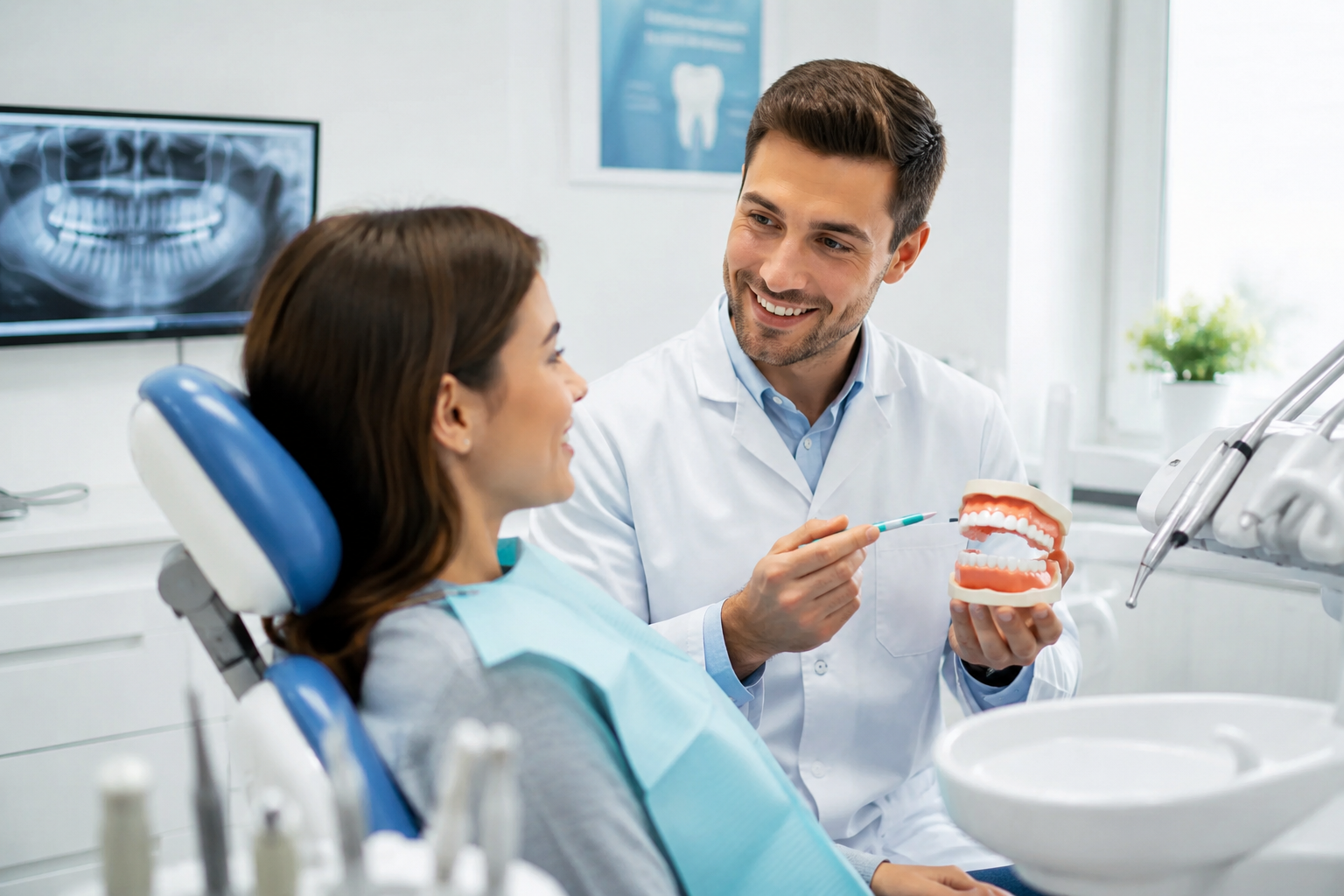
You’ll find practical ways to get quality dental care in Branchburg, NJ without overspending. This guide shows where to find affordable clinics, smart payment options, and simple preventive steps that cut long-term costs.
They explain how payment plans, local programs, and insurance tips make treatments like cleanings, fillings, and crowns more manageable. You’ll learn how modern, comfort-focused practices and community resources help keep care accessible and stress-free.
How to Find Quality Dental Services on a Budget
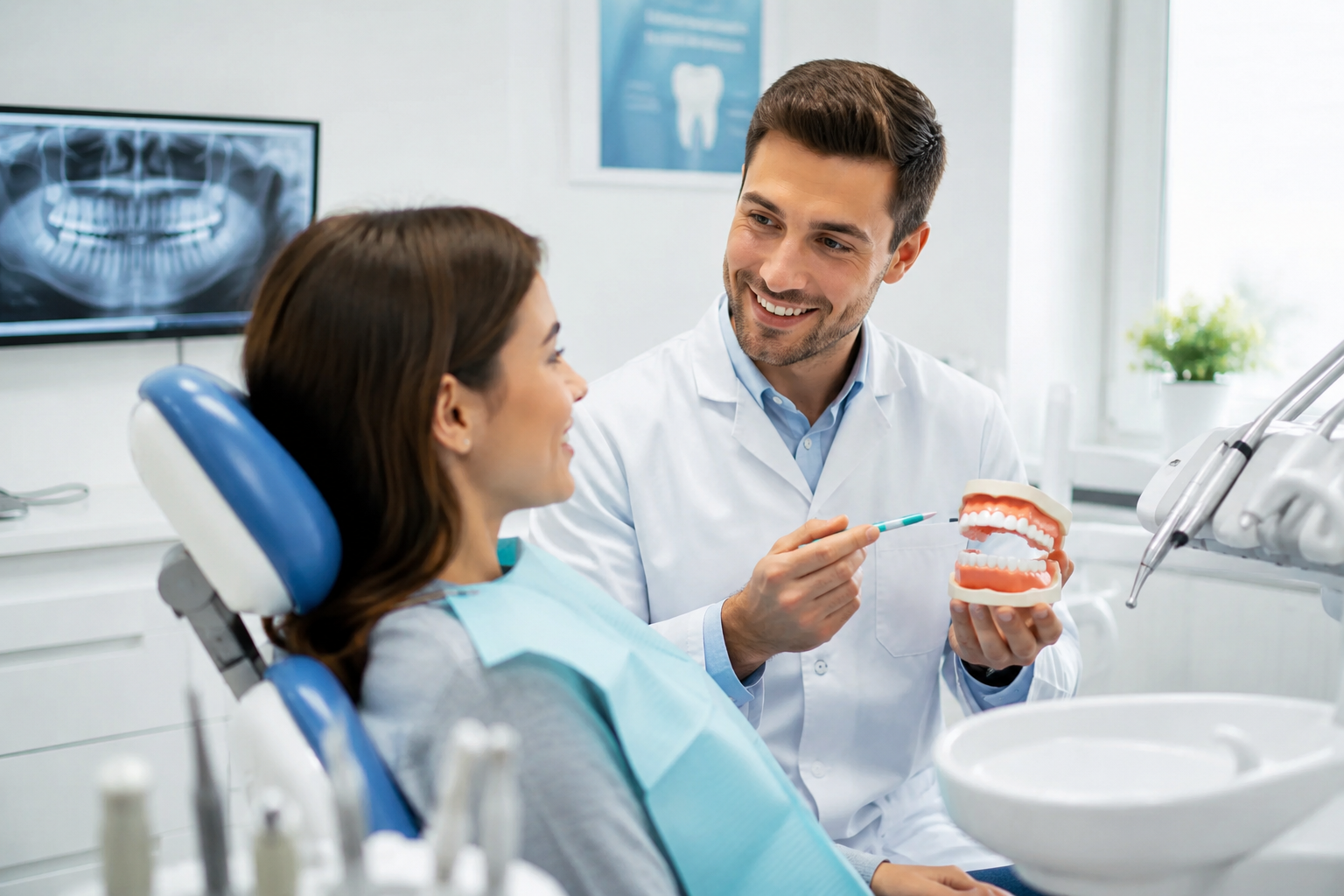
Start by identifying practices that list clear fees, insurance participation, and sliding-scale or membership plans. Look for practices offering preventive care, emergency visits, and payment options that match typical Branchburg household budgets.
Researching Local Dental Practices
They should begin with a targeted list: search “Branchburg NJ general dentist,” “community clinic Somerville,” and “dental school clinical hours” to find nearby options. Note office hours, distance from main roads (Route 28, U.S. 22), and whether the clinic accepts new patients within two weeks.
Check each practice’s stated services: routine cleanings, X-rays, fillings, root canals, crowns, and denture repair. Prefer offices that describe sedation choices, modern digital X-rays, and infection-control protocols.
Call offices to verify fees for a cleaning with X-rays and for a single-surface composite filling. Ask about first-visit discounts, charity-care days, or reduced-cost exams for low-income patients. Record responses in a simple table to compare later.
Comparing Pricing and Payment Options
They should request itemized estimates for common procedures and compare like-for-like services. For example, compare an exam + bitewing X-rays + cleaning price across three offices rather than comparing a cleaning price from one office to a crown price from another.
Look for membership plans that waive deductibles and lower per-visit costs when dental insurance is unavailable or too costly. Consider dental discount plans with flat annual fees; calculate break-even points based on expected procedures for the year.
Ask about financing through third-party lenders (CareCredit, LendingClub) and in-office payment plans that split costs into 3–12 months with low or no interest. Confirm whether estimates include lab fees for crowns or partials and whether extra visits (e.g., follow-ups for adjustments) add charges.
Reading Patient Reviews
They should scan recent Google and Yelp reviews for comments on pain management, appointment wait times, and honesty about costs. Focus on reviews from the last 12–18 months to reflect current staff and policies.
Identify consistent themes: multiple mentions of clear pricing, friendly hygienists, or issues with billing are more telling than a single five-star comment. Pay attention to responses from the practice owner; timely, professional replies indicate good patient communication.
Use reviews to build a shortlist of two or three practices, then verify specifics by phone. Prioritize practices with clear pricing, responsive staff, and repeat mentions of comfortable care and successful outcomes.
Payment Plans and Financial Assistance Options
Patients can find manageable ways to afford care through flexible monthly plans, family and senior discounts, and third‑party financing. Each option targets different needs: short-term cash flow, household savings, or larger procedures that require staged payments.
Flexible Monthly Payment Plans
Many Branchburg dental offices offer in‑house financing that spreads costs over several months with no interest for qualifying patients. These plans often require a small down payment and automatic monthly drafts, and they commonly cover restorative work like crowns, root canals, and bridges.
Providers set eligibility based on credit checks or patient history, and options vary from 3 to 24 months. Patients should request written terms showing monthly payment, total cost, late‑fee policy, and any interest after the promotional period ends. Asking the front desk for an amortization schedule helps compare plans across practices.
Discount Programs for Families and Seniors
Family and senior discount programs reduce per-visit or per-service costs without insurance. Typical offers include discounted preventive care packages, reduced fees on cleanings for additional family members, and set-price exam + X‑ray bundles for seniors on fixed incomes.
Some practices run membership plans that charge a modest annual fee and include two cleanings, exams, and X‑rays at a lower bundled rate. Patients should check exclusions (cosmetic work, specialty procedures) and whether discounts apply to specialist referrals or only in-house services.
CareCredit and Third-Party Financing
CareCredit and similar lenders provide revolving lines of credit specifically for healthcare expenses, accepted by most local dentists. Patients can apply online in minutes; approved accounts offer promotional 0% interest periods or extended‑term plans with fixed monthly payments for larger treatments.
Compare APR after promotions, monthly payment amounts, and any origination or late fees. Confirm the dental office’s payment process for third‑party financing and whether preauthorization or a deposit is required before scheduling major procedures.
Dental Insurance and Coverage Tips
This section explains how typical dental plans work, what preventive visits usually cover, and practical options when a preferred Branchburg dentist is out-of-network. It gives clear steps to reduce out‑of‑pocket costs and make informed choices about coverage and care.
Understanding What Insurance Covers
Dental plans in New Jersey often categorize services into preventive, basic, and major treatments. Preventive care — exams, cleanings, and X‑rays — is frequently covered at little or no cost when performed at an in‑network practice. Basic procedures like fillings and simple extractions usually carry a co‑pay or coinsurance; major services (crowns, bridges, implants) typically have higher cost‑sharing and waiting periods.
Patients should check their Evidence of Coverage (EOC) or plan summary for specifics: annual maximums, waiting periods, and frequency limits (e.g., two cleanings per year). Verify whether radiographs, oral cancer screenings, or fluoride treatments count toward preventive benefits. Confirm preauthorization requirements for major work to avoid surprise denials.
Maximizing Benefits for Preventive Visits
Schedule two cleanings per plan year if the policy allows; doing so uses preventive benefits fully and helps catch issues early. Bring a current insurance card and the plan’s provider ID to each visit to ensure proper billing and in‑network rates. Ask the Branchburg office to submit predeterminations for restorative work over $300 so the insurer provides an estimated coverage amount before treatment.
Use calendar reminders to avoid missing benefit windows (e.g., end‑of‑year deductible resets). If dependents are covered, coordinate family appointments to streamline visits and paperwork. For high‑cost treatments, compare paying out‑of‑pocket for portions versus financing options the dental office may offer.
Out-of-Network Solutions
When a preferred Branchburg dentist is out‑of‑network, patients can still reduce costs using an alternate approach. Ask the office for a detailed, itemized estimate (treatment codes and fees) so the insurer can process claims and reimburse according to usual and customary rates. Submit claims promptly and follow up with the carrier if reimbursement is delayed.
Consider a one‑time out‑of‑network reimbursement plus a payment plan from the dental office for major procedures. If the difference between in‑ and out‑of‑network fees is large, request a courtesy discount or ask if the practice will accept a negotiated fee. Lastly, explore dental discount plans available in Somerset County as a lower‑cost alternative when insurance coverage is limited.
Essential Preventive Dental Care for All Ages
Preventive care focuses on stopping problems before they start and keeping teeth healthy through regular professional care and daily habits. Routine visits, targeted treatments like fluoride and sealants, and consistent home hygiene form the core steps to reduce cavities, gum disease, and costly procedures later.
Routine Cleanings and Exams
Dental cleanings remove tartar and plaque that brushing cannot reach. A dental hygienist uses scaling and polishing tools to clean along the gumline and between teeth, typically every six months for most patients.
During exams, the dentist checks for cavities, gum inflammation, bite issues, and oral cancer signs. They may take bitewing X-rays every 1–2 years for adults or more frequently for high-risk patients to spot decay between teeth.
Patients with gum disease, diabetes, or heavy plaque buildup may need cleanings every 3–4 months. Insurance plans often cover at least two preventive visits per year; staff can verify benefits and recommend a schedule tailored to medical history and risk level.
Fluoride Treatments and Sealants
Topical fluoride strengthens enamel and reduces decay risk, especially for children and people with dry mouth. Dentists apply fluoride varnish or gel during a visit; exposure typically lasts a few minutes and may be recommended every 3–12 months based on risk.
Dental sealants are thin resin coatings applied to the chewing surfaces of molars to block grooves where food and bacteria collect. Sealants are most effective for children and teens as soon as permanent molars erupt, but adults without decay in those grooves can benefit as well.
Both treatments are quick, non-invasive, and cost-effective preventive measures. Offices can assess caries risk and advise a combined plan of fluoride and sealants to maximize protection.
Oral Hygiene Habits at Home
Daily brushing and flossing remain the foundation of oral health. Brush twice daily with a soft-bristled brush and fluoride toothpaste for two minutes, and floss once daily to remove plaque between teeth where brushes can’t reach.
Consider electric toothbrushes for improved plaque removal and timers to ensure full brushing time. Use interdental brushes or floss picks if manual flossing is difficult; those with braces or implants may need specialized tools recommended by the dentist.
Rinsing with an ADA-accepted antimicrobial mouthwash can reduce gingivitis for some patients, and limiting sugary snacks to mealtimes lowers decay risk. Regularly replace toothbrushes every 3–4 months or sooner if bristles fray.
Affordable Options for Common Treatments
Branchburg patients can find cost-conscious choices that balance quality and comfort for everyday dental needs. These options focus on preserving tooth structure, reducing chair time, and using durable materials that lower long-term costs.
Fillings and Restorations
Many practices in Branchburg offer both composite (tooth‑colored) and amalgam fillings; composites typically cost more but match tooth color. Dentists often recommend composite for visible front and premolar teeth and amalgam for large posterior restorations when budget is tight.
Insurance usually covers part of filling costs; patients should verify coverage for composite versus amalgam. Clinics frequently provide treatment plans that prioritize urgent decay, spreading work over multiple visits to ease out‑of‑pocket expenses.
For larger cavities, dentists may use onlays or partial crowns made from porcelain or gold. These last longer than large fillings and can be more cost‑effective over time than repeatedly repairing failed restorations.
Many offices offer payment plans, sliding‑scale fees, or membership plans that discount cleanings and basic restorative care. Asking about bulk pricing for multiple restorations can yield additional savings.
Crowns and Bridges
Crowns restore heavily damaged teeth and bridges replace one or more missing teeth by anchoring to adjacent crowns. In Branchburg, patients can choose from metal‑ceramic, all‑ceramic (zirconia), or gold crowns; each option varies in cost, durability, and esthetics.
Common cost‑saving approaches include using porcelain‑fused‑to‑metal for back teeth and reserving all‑ceramic for front teeth where appearance matters. CAD/CAM same‑day crowns reduce multiple visits and may lower lab fees, though prices vary by practice.
Insurance often covers a portion of crown and bridge work; pre‑treatment estimates help avoid surprises. Dentists sometimes split treatment into phases—temporary crowns first, definitive work later—to distribute expenses.
For missing single teeth, an implant is ideal but costs more up front. A bridge is a less expensive alternative when implants are not feasible or when adjacent teeth already need crowns.
Dentures and Partials
Complete dentures replace all teeth in an arch, while partials fill gaps and preserve remaining teeth. Affordable options in Branchburg include conventional acrylic dentures, flexible partials, and metal‑based partials, each differing in comfort, strength, and price.
Acrylic dentures are the least expensive and suitable for immediate needs or tight budgets. Flexible partials offer improved comfort and aesthetics without the higher price of cast metal frameworks.
Clinics often provide staged plans: an affordable interim denture initially, followed by a more durable prosthesis later. Relining and repairs are low‑cost ways to extend prosthesis life and maintain fit.
Many practices offer denture care bundles that include impressions, adjustments, and a follow‑up period at a reduced rate. Patients should ask about warranties, fees for future relines, and options to upgrade materials if budget allows.
Modern Approaches to Cost-Effective Dentistry
These methods focus on preserving tooth structure, reducing future procedures, and using technology to guide efficient treatment. They lower long-term costs by preventing complications and improving diagnostic accuracy.
Minimally Invasive Procedures
Minimally invasive dentistry emphasizes removing the least amount of tooth structure while treating decay or damage. Dentists use techniques like air abrasion, selective caries removal, and adhesive restorative materials (composite resins and glass ionomers) that bond to enamel and dentin, which often avoids full crowns.
This approach reduces the need for multiple visits and lengthy lab work. For small to moderate cavities, direct composite fillings placed in one appointment save material costs and chair time compared with onlays or crowns.
Preventive services pair with minimally invasive care: fluoride varnish, dental sealants for molars, and focused oral hygiene coaching decrease recurrence. For older patients, atraumatic restorative treatment (ART) and interim therapeutic restorations provide affordable, effective care when traditional drills are not ideal.
Digital Technology for Accurate Diagnosis
Digital X-rays and intraoral cameras give high-resolution images with lower radiation and instant access, speeding diagnosis and reducing repeat imaging. Panoramic and cone-beam CT scans (CBCT) are used selectively for complex cases like implant planning or assessing impacted teeth, avoiding unnecessary imaging for routine care.
Intraoral scanners replace traditional impressions for many restorative procedures, cutting lab turnaround and remakes. CAD/CAM systems allow same-day crowns and onlays in a single visit, which lowers lab fees and reduces temporary restoration costs.
Digital treatment planning software helps prioritize interventions based on risk, so patients receive cost-effective sequences—preventive care first, then conservative restorations. Many practices combine digital records with transparent cost estimates and phased treatment plans, helping patients budget care without sacrificing quality.
Community Resources and Special Programs
Branchburg residents can access low‑cost dental care through local clinics that adjust fees based on income, plus periodic community events offering screenings and preventive services. These options help people without full dental insurance get exams, cleanings, fillings, and referrals for more complex care.
Local Clinics with Sliding Scale Fees
Several clinics near Branchburg use sliding scale fees tied to household income and family size. For example, the Somerset County Community Health Center accepts patients on a sliding fee; income documentation and proof of residency speed enrollment. Services commonly covered include cleanings, exams, X‑rays, basic restorative work, and limited extractions.
Patients typically schedule by phone and may receive an initial eligibility interview to determine the discount level. Many clinics also accept Medicaid and NJ FamilyCare, and some offer payment plans for treatments not fully covered. Call ahead to confirm current hours, required paperwork, and whether interpreters or transportation help are available.
Community Health Events
Local dental societies, community centers, and schools host free or low‑cost dental events several times a year. These events often provide screenings, fluoride varnish for children, oral hygiene kits, and referrals to follow‑up care. Dates and locations are usually posted on the Somerset County health department calendar and community bulletin boards.
Events may target specific groups—children, seniors, or uninsured adults—and sometimes coordinate with vaccination clinics or health fairs. Attendees should bring ID and any insurance cards; arrive early for limited walk‑in spots. Contact event organizers beforehand for eligibility details and to reserve space when possible.
Making Comfort a Priority During Dental Visits
Staff focus on reducing pain, easing anxiety, and creating a calm environment so patients feel safe and respected. Specific strategies include gentle clinical techniques, clear communication, and environmental changes that lower stress.
Gentle Techniques for Anxious Patients
Dental teams use short, clear explanations before each step so patients know what to expect. They offer topical anesthetic gels and buffered local anesthetics to reduce sting and onset discomfort. For deeper anxiety or longer procedures, nitrous oxide (laughing gas) and oral sedatives are available; staff review medical history and dosages before use.
They break appointments into shorter phases when possible, allowing brief rests and checkpoints for the patient to signal discomfort. Distraction tools like music, noise-cancelling headphones, and TV monitors help shift attention away from procedures. For needle-sensitive patients, professionals employ single-needle injections, slow infiltration techniques, and vibration devices that decrease perceived pain.
Behavioral approaches also matter: the “tell-show-do” method, guided breathing, and scheduled pre-visit tours build familiarity. Dental hygienists and dentists document patient preferences (left/right hand signal, preferred music) to tailor each visit and reduce surprises.
Creating a Relaxing Atmosphere
Reception and operatory design aim to lower sensory stress with muted wall colors, soft lighting, and comfortable seating. Waiting areas often include calming elements like plants, warm beverage stations, and reading materials to ease pre-appointment nerves.
Clinics control sound and scent: low-volume instrumental playlists, sound-absorbing materials, and neutral or hypoallergenic scents minimize triggers. Staff maintain predictable scheduling and prompt communication about delays, which reduces frustration and anxiety for patients on tight schedules.
Small comforts make a difference: heated blankets, neck pillows, and warmed rinses for sensitive mouths. Transparent pricing estimates and clear treatment timelines also relieve financial and procedural uncertainty, helping patients focus on care rather than worry.
Building a Lasting Relationship with Your Dental Team
A trusting dental relationship starts with clear communication. They should feel comfortable asking questions about treatment options, costs, and what to expect during visits.
Regular visits help the team learn a patient’s needs and preferences. This familiarity makes appointments more efficient and reduces anxiety over time.
Open dialogue about finances and insurance removes surprises. The clinic can explain payment plans, sliding-scale fees, or community resources that make care affordable.
Patients should expect empathy and respect from every staff member. A friendly front desk, attentive hygienist, and patient-focused dentist all contribute to a calmer experience.
Prepare for appointments by bringing a list of concerns and current medications. That small step helps the team provide safer, more personalized care.
Use preventive care to strengthen the relationship, too. Consistent cleanings and early treatment save money and build mutual trust.
If fear or past bad experiences interfere, they should mention it upfront. Many practices offer sedation options, extra time, or a calm, steady approach to ease nervousness.
Consider these quick tips:
- Bring questions and a payment plan discussion.
- Share medical history and dental fears honestly.
- Commit to routine visits and preventive steps.
They can call or message the office to schedule a consultation or ask about affordability options. Taking that first step often leads to better oral health and a more comfortable dental experience.
Frequently Asked Questions
This section answers practical questions about visit steps, typical prices, financing choices, lower-cost restorative options, comfort-focused office features, and simple daily habits that reduce the need for costly treatment.
What does a typical new-patient dental visit include, and how can I keep the cost predictable?
A new-patient visit usually includes a medical/dental history, a visual exam, X-rays as needed, and a professional cleaning if indicated.
They should receive a written treatment plan with itemized costs and priority levels to avoid unexpected charges.
Ask the office for an estimate before starting any work and whether the exam and X-rays are bundled.
Confirm which portions are covered by insurance, what the patient-pay will be, and whether any diagnostic fees are refundable if treatment starts later.
How much does a routine dental cleaning and exam usually cost if I don’t have insurance?
Out-of-pocket costs in Branchburg NJ commonly range from $90 to $200 for an exam and cleaning combined, depending on whether X-rays are included.
Hygiene complexity—such as deep scaling for gum disease—can increase the price to $150–$300 or more.
Call local practices for current self-pay rates and ask if they offer “new patient specials” or bundled visit discounts.
Request a written fee schedule so comparisons reflect the same services.
What payment plans or financing options are commonly available for bigger treatments like crowns or implants?
Many practices accept third-party financing (CareCredit, LendingClub) with promotional 6–12 month interest-free options.
Dentists often offer in-office payment plans that split fees over 2–6 months without interest for established patients.
Some clinics bill per phase (e.g., implant surgery separate from crown placement) so patients can schedule payments.
Ask about down-payment amounts, finance terms, and whether any lab fees or follow-up visits are included.
Are there lower-cost alternatives to dental implants, and how do I know which option is right for me?
Common lower-cost alternatives include fixed bridges, removable partial dentures, and adhesive (Maryland) bridges.
The right choice depends on adjacent tooth health, bone volume, long-term maintenance needs, and budget.
A dentist will evaluate X-rays and bite dynamics, explain longevity and hygiene requirements, and compare total lifetime cost.
Seek a consult that shows pros, cons, and realistic lifespan estimates for each option.
How can I tell if a dental office is using modern, comfortable techniques to help with anxiety or sensitivity?
Look for mentions of digital X-rays, intraoral cameras, laser dentistry, and electronic temperature-controlled anesthesia devices.
Offices that offer nitrous oxide, oral conscious sedation, or pre-visit anti-anxiety guidance typically list those services on their websites.
Read patient reviews that reference comfort, gentle care, and staff communication.
During a phone call, ask how they manage sensitivity, whether they use warmed anesthetic, and what sedation options are available.
What simple daily habits (like the “2-2-2” rule) can help prevent cavities and avoid expensive dental work?
Follow the “2-2-2” rule: brush two minutes, twice a day, and visit the dentist twice a year for checkups.
Use fluoride toothpaste, floss once daily, and rinse with a fluoride mouthwash if recommended.
Limit sugary snacks and sip water between meals to reduce acid exposure.
Discuss targeted prevention—sealants, prescription fluoride, or professional topical treatments—during checkups to further lower risk.
Contact a local Branchburg dental office to schedule a consult or ask about fees, payment plans, and comfort options.