
Dental crowns offer a reliable solution for many dental issues, especially in Branchburg, NJ, where patients seek durable and effective treatments. Crowns restore damaged teeth by providing strength and protection, helping to preserve natural smiles and promote long-term oral health. They work well for cracked, weakened, or heavily filled teeth, preventing further damage.
In addition to durability, dental crowns in Branchburg are designed for comfort and aesthetics. Modern materials blend seamlessly with natural teeth, making crowns nearly indistinguishable. This combination of function and appearance helps patients feel confident about their smile while enjoying improved tooth function.
Patients often worry about the procedure and upkeep, but with today’s advancements, getting a crown is both straightforward and comfortable. Many local dentists emphasize patient care, using gentle techniques and clear communication to ease any concerns. If a tooth feels fragile or damaged, it’s worth discussing dental crowns as a durable and visually pleasing option.
Understanding Dental Crowns
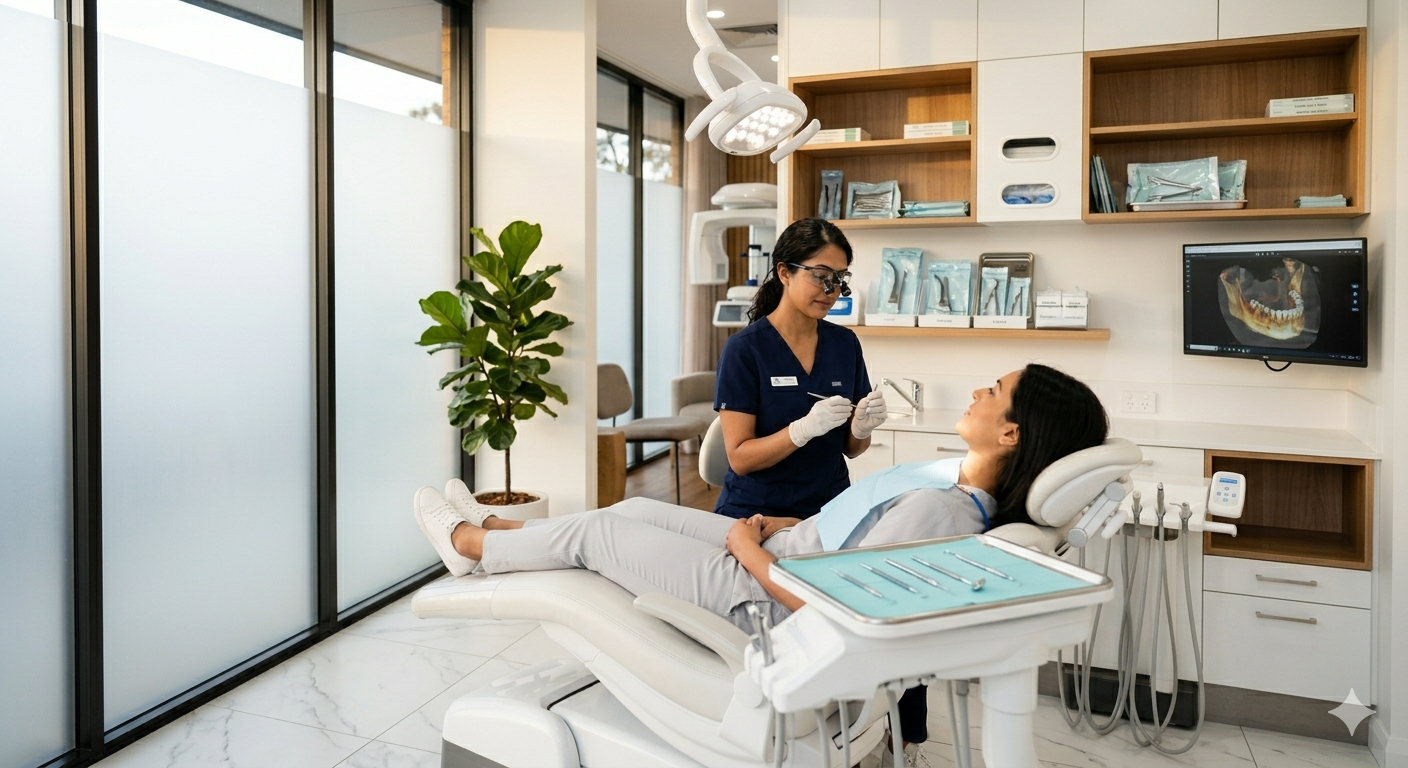
Dental crowns protect damaged teeth and restore their function and appearance. They come in several materials suited to different needs and work by fully covering the tooth. Knowing how crowns function and the options available helps patients make informed choices for their dental health.
What Is a Dental Crown?
A dental crown is a tooth-shaped cap placed over a damaged or decayed tooth. It covers the entire visible part of the tooth, restoring its shape, size, and strength. Crowns shield weak teeth from breaking and hold together parts of cracked teeth.
Dentists often use crowns after root canal treatment or to cover large fillings that weaken teeth. They also improve the appearance of misshapen or discolored teeth. The goal is to bring back natural tooth function while protecting the tooth underneath.
Types of Dental Crowns
There are several types of crowns, each with unique benefits. Porcelain crowns are popular for their natural look and match the color of surrounding teeth. They are ideal for front teeth. Metal crowns, like gold or alloys, are highly durable and used mostly on back teeth where strength is a priority.
Porcelain-fused-to-metal crowns combine strength and aesthetics, offering a metal base with a tooth-colored porcelain covering. Ceramic crowns are also an option for those concerned about metal allergies, providing a metal-free restoration.
Here is a simple comparison table:
| Type | Appearance | Durability | Best Use |
|---|---|---|---|
| Porcelain | Natural-looking | Moderate durability | Front teeth |
| Metal | Metallic shine | Very durable | Back teeth |
| Porcelain-fused-to-metal | Good | Strong | Both front & back teeth |
| Ceramic | Natural and metal-free | Moderate durability | Allergy-sensitive patients |
How Dental Crowns Work
The dentist first prepares the tooth by reshaping it, allowing space for the crown to fit comfortably. Impressions of the prepared tooth are taken to create a custom crown that fits precisely.
Once ready, the crown is cemented onto the tooth. It serves as a protective shell, restoring chewing ability and preventing further wear or damage. Crowns can last 10-15 years or longer with proper care, such as regular brushing, flossing, and dental visits.
Crowns also prevent shifting of surrounding teeth and maintain bite alignment. For patients in Branchburg, NJ, modern dentistry ensures a comfortable, durable crown fitting with minimal discomfort.
Top Benefits of Dental Crowns in Branchburg NJ
Dental crowns offer practical solutions for various tooth problems by protecting and improving teeth. They tackle issues from damage repair to cosmetic improvements, providing durable and customized care to keep smiles healthy and confident in Branchburg.
Restoring Damaged Teeth
Dental crowns are highly effective for restoring teeth that have been cracked, chipped, or heavily decayed. They completely cover the damaged tooth, shielding it from further harm and reducing sensitivity.
In Branchburg, dentists often recommend crowns after root canals because they reinforce the vulnerable tooth structure. This restoration not only improves function but also prevents the need for extraction, preserving the natural tooth.
Crowns are made from materials like porcelain or ceramic, which closely mimic natural teeth. This means patients get both strength and a natural look while feeling confident that their damaged teeth are protected.
Strengthening Weak Teeth
Teeth weakened by large fillings or repeated stress benefit from dental crowns in Branchburg. Crowns wrap around the entire tooth, distributing biting forces evenly to prevent cracks or breaks.
They act like protective armor for teeth that might otherwise fracture due to grinding or chewing hard foods. Patients often find that crowns restore normal chewing ability without discomfort.
For individuals with a history of dental problems or weakened enamel, crowns provide peace of mind by significantly enhancing tooth durability. This makes crowns a smart investment for long-term oral health.
Enhancing Smile Appearance
Beyond protection, crowns transform the appearance of teeth by correcting shape, size, and color. Branchburg patients often choose crowns to fix teeth that are stained, misshapen, or uneven.
Custom-designed to blend seamlessly with surrounding teeth, crowns can lift the entire smile. This is especially appreciated by those seeking a natural look after trauma or aging-related changes.
Dentists in Branchburg use advanced techniques to create crowns that complement a patient’s facial features. The result is a harmonious and attractive smile that feels comfortable and looks authentic.
Long-Lasting Solution
Dental crowns can last many years with proper care, making them a reliable option for dental restoration. In Branchburg, experts emphasize regular check-ups and good oral hygiene to extend crown lifespan.
Materials like porcelain-fused-to-metal or zirconia combine durability with aesthetic appeal. Many patients keep their crowns for 10-15 years or longer with routine maintenance.
Crowns resist stains and wear, maintaining their strength and appearance over time. This longevity offers value by reducing the frequency of replacements and avoiding extra dental work.
Comfort and Convenience for Patients
Dental crowns in Branchburg, NJ, are designed to make the treatment process as smooth and comfortable as possible. Patients can expect procedures that protect their natural teeth while fitting precisely for daily comfort and ease.
Minimally Invasive Procedure
The procedure to place a dental crown is minimally invasive, meaning it preserves most of the natural tooth. The dentist carefully removes only the damaged or decayed part, leaving healthy structure intact. This approach reduces sensitivity and promotes quicker healing.
Local anesthesia ensures the patient feels little to no discomfort during the preparation. Most crowns are placed in two visits, with temporary crowns protecting the tooth in between. This method avoids lengthy appointments and extensive recovery time, helping patients maintain their regular routines easily.
Custom Fit and Natural Feel
Each crown is crafted to match the patient’s bite and tooth shape using precise digital impressions. This custom fit helps the crown feel just like a natural tooth, avoiding issues like discomfort or irritation. The smooth edges and accurate fit prevent gum irritation and make chewing comfortable.
Materials like porcelain closely mimic natural tooth color and texture, enhancing both function and appearance. Because crowns are strong and stable, patients can eat, speak, and smile confidently without worrying about slipping or damage. These benefits contribute significantly to everyday convenience and long-term satisfaction.
Protection and Prevention
Dental crowns serve as reliable guards for teeth that are weakened or damaged. They help stop problems before they worsen, protecting your natural teeth and maintaining overall oral health.
Shielding Vulnerable Teeth
Crowns cover teeth that have been cracked, worn down, or weakened by large fillings. This protective cap prevents further damage from everyday biting and chewing forces. For example, a tooth with a deep cavity or a root canal treatment can become brittle and prone to breaking. Placing a crown reinforces the tooth structure, allowing it to handle regular use without discomfort or risk.
The materials used—such as porcelain or metal—offer both strength and durability. This shield reduces sensitivity to temperature changes and keeps bacteria out, reducing the chance of infection or further erosion. Patients often notice improved comfort and function soon after their crowns are placed.
Preventing Further Decay
Crowns seal teeth tightly, blocking spaces where bacteria can enter and cause decay. Without this seal, bacteria can sneak under cracks or worn areas, leading to new cavities or infections. This makes crowns a critical step in halting the progression of dental disease.
Regular brushing and cleanings remain vital, but crowns add an extra layer of defense. For teeth with existing damage, a crown can prevent small problems from turning into bigger, more painful treatments like extractions. Protecting teeth early helps maintain a healthy smile and avoids costly dental work down the road.
Dental Crowns and Smile Confidence
Dental crowns enhance more than just tooth strength—they also restore natural appearance and function. This helps individuals feel better about their smiles and daily interactions. Improved dental function can also affect speech clarity and comfortable chewing.
Boosting Self-Esteem
When a damaged or discolored tooth is covered with a well-crafted crown, it blends seamlessly with neighboring teeth. This creates a natural, attractive smile that patients often feel proud to show.
The restoration can hide chips, cracks, or large fillings, reducing self-consciousness. Feeling confident about how their teeth look encourages people to smile more often, which positively affects social and professional situations.
Modern crowns are designed to match shape, size, and color exactly, so the result is both durable and visually pleasing. This attention to detail supports lasting self-esteem improvements.
Improving Speech and Chewing
Dental crowns restore the proper shape and alignment of teeth, which is essential for clear speech. Missing or damaged teeth can cause lisps or difficulty pronouncing certain sounds, but crowns often eliminate these issues.
Chewing efficiency improves as crowns protect weakened teeth and restore biting surfaces. This allows patients to enjoy a variety of foods comfortably without pain or sensitivity.
By promoting balanced pressure during chewing, crowns help prevent further dental problems and jaw discomfort. This functional benefit supports overall oral health and daily comfort.
Modern Technology in Branchburg Dental Care
Dental care in Branchburg uses advanced tools to improve accuracy and patient comfort. Technology helps create better-fitting crowns faster while using stronger, more natural-looking materials.
Digital Impressions and Precision
Instead of traditional molds, many Branchburg dentists use digital impressions. A small scanner captures detailed images of the teeth, avoiding uncomfortable putty. This method is quicker and more precise, reducing the chance of errors.
Digital impressions allow for crowns to be designed with exact measurements, improving fit and reducing adjustments. Patients often notice less chair time and faster turnaround for their restorations. The process also allows dentists to show patients a 3D image of their future crown, helping explain the treatment better.
High-Quality Materials
Modern crowns in Branchburg are made from durable, tooth-colored materials like zirconia and porcelain fused to metal. These materials mimic natural enamel in both strength and appearance.
Zirconia crowns are especially popular because they resist chipping and wear well for patients who grind their teeth. Porcelain options offer excellent aesthetics, making crowns blend seamlessly with surrounding teeth. Using these materials helps protect the tooth underneath while maintaining a natural smile.
Patients can discuss material choices with their dentist to balance durability, appearance, and budget.
Caring for Your Dental Crown
Maintaining a dental crown requires attention to both cleaning habits and professional check-ups. Proper care helps the crown last longer and keeps surrounding teeth healthy.
Daily Oral Hygiene
Brushing twice daily with a soft-bristled toothbrush is essential. She should focus on the gum line around the crown, where plaque tends to accumulate, using gentle circular motions to avoid damaging the crown or gums.
Flossing is equally important. Using floss threaders or interdental brushes can help clean beneath and around the crown, preventing decay in the neighboring teeth. Avoid harsh or abrasive toothpaste to protect the crown’s surface.
Limiting sticky or very hard foods can reduce the risk of crown damage or loosening. Drinking plenty of water after meals helps wash away food particles and bacteria, supporting oral health.
Routine Dental Visits
Regular dental check-ups every six months allow the dentist to inspect the crown for cracks, wear, or fit issues. Early detection ensures problems can be addressed before they worsen.
Professional cleanings remove tartar buildup that daily brushing can’t handle, especially around the crown’s margins. The dentist also checks the health of the gums and surrounding teeth.
Patients should inform their dentist immediately if they experience sensitivity, discomfort, or notice any changes around the crown. Timely consultations can prevent costly repairs or replacements.
Choosing the Right Dentist in Branchburg NJ
Finding the right dentist is key to ensuring a smooth experience with dental crowns. It’s important to focus on both professional skill and how the dentist cares for their patients. These factors together shape your comfort, trust, and long-term dental health.
Experience and Expertise
A dentist’s skill with crowns comes from both training and hands-on experience. In Branchburg, many dentists have advanced education in restorative dentistry, which means they understand the nuances of crown placement. Look for a professional who has performed numerous crown procedures and can show before-and-after photos of their work.
Experience also means staying up-to-date with the latest materials and technologies. For example, some dentists use digital impressions instead of messy molds, which can be more comfortable and accurate. This combination of knowledge and technology improves the fit and durability of your crown, helping avoid future issues.
Patient-Centered Care
A dentist who listens to your concerns will make the procedure less stressful and more effective. In Branchburg, patient-centered care often includes explaining treatment options clearly, addressing fears about pain or recovery, and customizing care to match your lifestyle.
Good dentists also prioritize your comfort during visits. They might offer sedation options or use gentle techniques tailored to nervous patients. Beyond the appointment, they provide clear aftercare instructions and remain available for questions. This ongoing support builds trust and confidence, making your dental crown experience more positive.
Taking the Next Step Toward a Healthier Smile
Choosing a dental crown is a positive move toward protecting a damaged or weakened tooth. It helps restore strength and appearance, so patients can eat and smile with confidence again.
A dentist in Branchburg, NJ, will guide each person through the process using modern techniques designed for comfort. The consultation often includes a thorough exam and discussion about the best crown material for individual needs, such as porcelain, ceramic, or metal options.
Patients can expect a straightforward treatment plan that fits their lifestyle. After placing the crown, regular checkups and good oral hygiene are key to keeping it in great shape for years.
What to expect:
- Personalized care tailored to your smile
- Minimally invasive procedures
- Durable, natural-looking results
- Guidance on maintenance and follow-up visits
If someone has questions or feels unsure about dental crowns, their Branchburg dentist is there to provide answers and reassurance. Taking this step is about more than fixing a tooth—it’s about feeling better each time you look in the mirror.
Frequently Asked Questions
Dental crowns offer strong, long-lasting protection for damaged teeth and improve appearance. Understanding how they work, what to expect, and how to care for them can help patients feel confident about treatment.
How do dental crowns help protect a tooth that’s cracked or weakened?
Crowns cover the entire visible part of a tooth, holding it together and preventing further cracking. They redistribute biting forces evenly, reducing stress on the damaged area.
What are the most common reasons a dentist recommends a crown instead of a filling?
A crown is suggested when a tooth has extensive decay, a large filling, or significant cracks that can’t be safely repaired with a filling. Crowns provide more durable support for teeth weakened by injury or root canal treatment.
Do crowns look natural, and how do you match them to my other teeth?
Modern crowns are made from materials like porcelain, designed to match the color and shape of surrounding teeth. Dentists carefully select shades and customize the shape to blend seamlessly with your smile.
What is the process like from start to finish, and how many visits will I need?
Typically, getting a crown involves two visits. The first visit includes shaping the tooth and taking impressions, while the second is for placing the permanent crown. Some offices offer same-day crowns using advanced technology.
Will getting a crown hurt, and what comfort options are available during the procedure?
The procedure is done under local anesthesia, so discomfort is minimal or none at all. Dentists also offer sedation options for anxious patients to ensure a calm, comfortable experience.
How long do dental crowns typically last, and what can I do to help mine last longer?
Crowns usually last 10-15 years but can last longer with good oral hygiene. Avoiding hard foods, not using teeth as tools, and regular dental checkups help maintain their condition.