
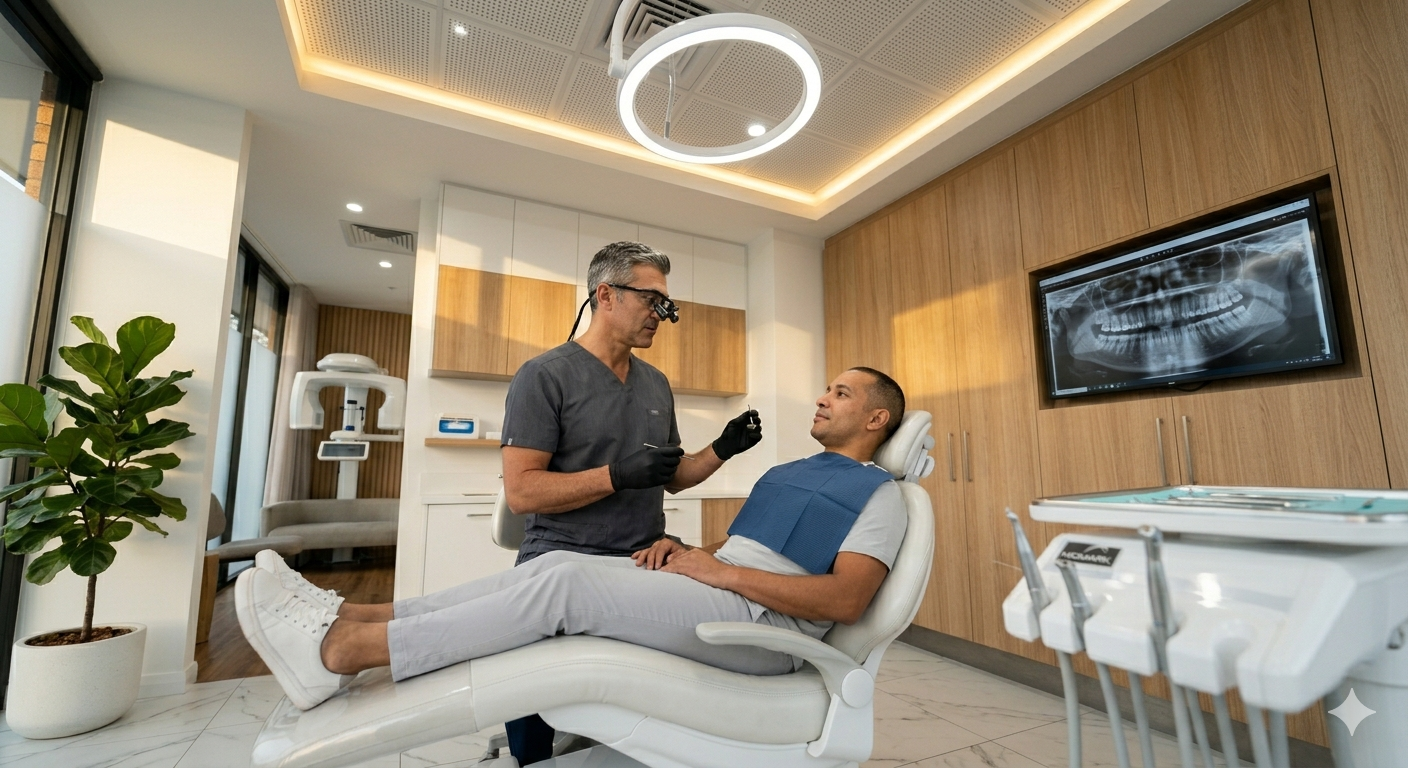
For anyone missing teeth, dental implants offer a reliable and natural-feeling solution right in Branchburg, NJ. Dental implants replace tooth roots with metal posts, providing a strong foundation for replacement teeth that look and function like the real thing. This option helps restore confidence, improve chewing, and protect oral health.
Many patients worry about pain or long recovery times, but modern techniques in Branchburg make the process comfortable and efficient. Local dental experts focus on patient care, using advanced technology to ensure a smooth experience tailored to individual needs.
Exploring dental implants in Branchburg means learning how this treatment can fit a busy lifestyle while delivering lasting results. If someone is considering implants, consulting with a trusted local dentist can clarify options and address any concerns.
Understanding Dental Implants
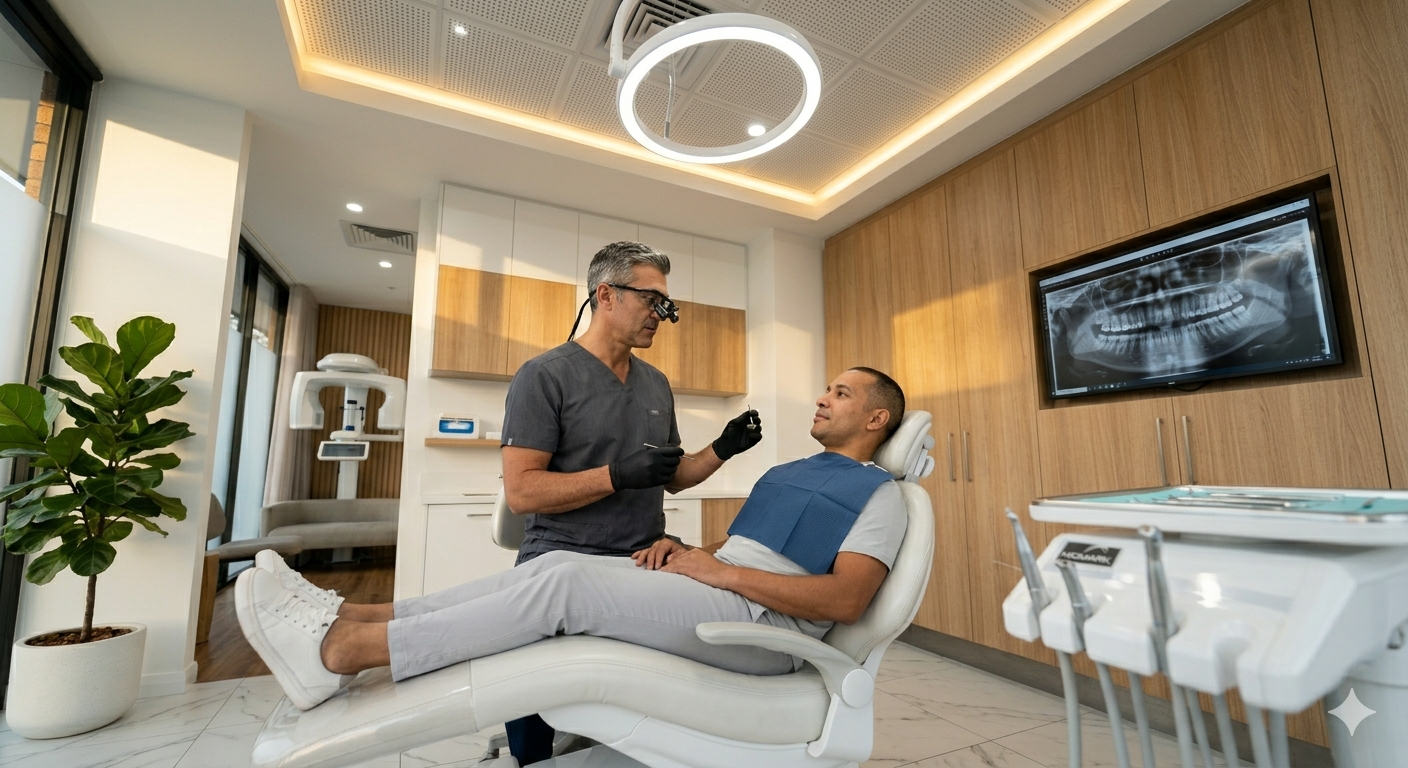
Dental implants provide a reliable way to replace missing teeth by acting as artificial roots anchored in the jawbone. They support crowns or dentures, restoring both function and appearance with long-lasting results.
What Are Dental Implants
Dental implants are small titanium posts surgically placed into the jawbone beneath the gum line. These posts serve as a sturdy base for mounting replacement teeth, such as crowns, bridges, or dentures.
Because titanium integrates naturally with bone, the implant becomes a permanent part of the mouth. This process, called osseointegration, helps the implant feel and function like a natural tooth root.
Implants are designed to support chewing forces and prevent bone loss that often follows tooth extraction. They offer a durable solution compared to traditional dentures or bridges.
How Implants Work
Once the implant is placed, it typically takes a few months for the bone to fuse securely with the titanium post. After healing, the dentist attaches an abutment, which connects the implant to the replacement tooth.
The final step involves placing a custom-made crown or other prosthetic that matches the color and shape of natural teeth. This restoration allows patients to eat, speak, and smile confidently.
The implant’s integration with bone prevents shifting and maintains jawbone density over time. Proper care through brushing, flossing, and regular dental visits helps the implant last many years.
Types of Dental Implants
Several types of implants address different dental needs. The most common is the endosteal implant, inserted directly into the jawbone. These work well for patients with good bone density.
Subperiosteal implants sit on top of the jawbone but beneath the gums. They’re an option for people with insufficient bone height who cannot undergo bone grafting.
Implants also vary by shape and size, including screw-type and cylinder-type posts. Choosing the right implant depends on jawbone condition, the number of teeth being replaced, and overall oral health.
Dentists in Branchburg, NJ can recommend the best implant type after a thorough evaluation.
Benefits of Choosing Implants Locally
Selecting a dental implant provider close to home brings clear advantages. Patients can enjoy personalized care, easier appointment scheduling, and reliable support throughout the entire treatment process. This convenience plays a crucial role in achieving the best results.
Natural-Looking Results
Local implant specialists in Branchburg often have a deep understanding of their community’s aesthetic preferences. They focus on customizing each implant to blend seamlessly with the natural teeth around it. Using advanced 3D imaging and digital impressions, they ensure the restorations match the color, shape, and size of existing teeth.
This attention to detail helps the implants look completely natural. Patients often find that their dental implants are indistinguishable from their own teeth, boosting satisfaction. Nearby clinics also make follow-up visits straightforward, allowing quick adjustments if needed.
Long-Term Oral Health Advantages
Choosing a local implant provider supports a proactive approach to oral health. Branchburg dentists can continuously monitor implants for changes in bone density and gum health, catching issues early. Regular check-ups near home reduce the risk of complications such as infection or implant failure.
Local care teams also educate patients on maintaining implants long-term. They emphasize proper brushing, flossing techniques, and periodic professional cleanings tailored to implanted teeth. This focused guidance helps preserve surrounding teeth and overall mouth health.
Improved Comfort and Confidence
Patients benefit from a familiar setting when receiving implant treatment nearby. Local clinics foster a comfortable environment where dental teams build trust with each individual. This trust can reduce anxiety around surgeries or procedures.
Additionally, immediate access to care means patients can address concerns or discomfort quickly. As confidence in their dental health grows, many feel more willing to smile, speak, and eat comfortably. Choosing a local specialist supports both emotional and physical well-being during the implant journey.
Ideal Candidates for Implant Treatment
Dental implants work best for individuals with good overall health and strong jawbones. Understanding who qualifies and what health factors influence success can help set realistic expectations.
Eligibility and Health Considerations
Candidates should have healthy gums and enough bone density to support the implant. Bone loss from missing teeth may require grafting before implants can be placed safely.
Chronic conditions like uncontrolled diabetes or immune disorders might affect healing and implant integration. Dentists typically review medical history carefully to ensure the body can accept the implant without complications.
Non-smokers tend to have better outcomes, as smoking can slow healing and increase infection risks. Regular dental care and good oral hygiene are essential for long-term implant success.
Factors That May Affect Suitability
Certain lifestyle habits can impact implant success. Heavy alcohol use and poor nutrition may weaken bone health, making it harder for implants to bond properly.
Age alone isn’t a strict barrier. Even older adults can receive implants if their bone structure and overall health permit. However, younger patients should have fully developed jawbones before treatment begins.
Medication use, such as bisphosphonates for osteoporosis, can influence healing. Dentists will evaluate these risks and suggest alternatives if necessary to ensure treatment safety.
The Step-by-Step Implant Process
Dental implants involve a careful, multi-stage approach to replace missing teeth securely and naturally. Each phase is designed to ensure comfort, proper healing, and long-term success tailored to the patient’s needs.
Initial Consultation
The process begins with a thorough evaluation by the dentist, including medical history review and dental imaging like X-rays or 3D scans. This helps determine if the jawbone is strong enough to support an implant or if additional treatments like bone grafting are necessary.
During the visit, the dentist discusses options, timelines, and answers patient concerns. They also plan the implant placement precisely, considering bite alignment and aesthetics. Clear communication ensures the patient knows what to expect and feels comfortable moving forward.
Surgical Placement
Once ready, the surgeon places the titanium implant post into the jawbone through a minor surgical procedure. Local anesthesia or sedation is used to keep patients comfortable during the brief surgery.
After insertion, the gum is stitched to cover the implant, protecting it as it begins to bond with the bone. The procedure usually takes under an hour per implant, and patients can typically go home the same day. Postoperative care instructions focus on managing discomfort and preventing infection.
Healing and Osseointegration
This healing phase is crucial. Over several months, the implant fuses with the jawbone in a process called osseointegration. This secure bond provides a stable base for the final tooth replacement.
Patients are advised to avoid hard foods and maintain excellent oral hygiene. Follow-up visits monitor healing progress and ensure no complications like inflammation or implant movement.
Final Restoration
After successful osseointegration, the dentist attaches an abutment, a small connector piece, to the implant post. This supports the custom-made crown designed to match natural teeth in color, shape, and size.
The crown is then carefully fitted and adjusted for comfort and proper bite alignment. At this point, the dental implant functions like a natural tooth, allowing the patient to eat, speak, and smile with confidence.
Ensuring Patient Comfort and Safety
Patient comfort and safety are top priorities during every stage of dental implant treatment. Techniques to ease anxiety and the use of advanced technology work together to create a smooth experience. These elements help minimize discomfort and reduce the risk of complications.
Anxiety-Free Techniques
Many patients feel nervous about dental implants, but several methods help reduce stress. Sedation options like nitrous oxide (laughing gas) and oral sedatives are commonly used to keep patients calm. These methods are safe, effective, and tailored to each individual’s needs.
Dentists in Branchburg also focus on clear communication before treatment. Explaining each step and answering questions helps patients feel more in control. Gentle handling and breaks during the procedure further lower anxiety, ensuring a relaxed environment.
Modern Technology Used in Treatment
Modern dental implant procedures benefit from precise imaging like 3D cone beam CT scans. These scans create detailed views of the jawbone and nerves, helping the dentist plan implant placement accurately and avoid complications.
Computer-guided surgery tools allow for minimally invasive implant placement. This means smaller incisions, less discomfort, and faster healing times. Additionally, digital impressions replace messy molds, making the process cleaner and more comfortable for patients.
Caring for Your New Smile
Maintaining dental implants requires consistent attention and care to keep them healthy and lasting. Patients need to adopt effective daily habits and stay committed to regular professional checkups for the best outcome.
At-Home Maintenance Tips
Proper daily cleaning is essential to prevent plaque buildup around implants. Using a soft-bristle toothbrush with non-abrasive toothpaste helps protect the implant surface and surrounding gum tissue. Patients should brush gently but thoroughly, especially along the gum line where bacteria tend to accumulate.
Flossing around implants may require special tools like interdental brushes or floss designed for implants. These tools reach areas a regular toothbrush might miss. Avoid hard or sticky foods that can strain the implant during healing. Rinsing with an antimicrobial mouthwash can also reduce infection risks and support gum health.
Follow-Up Visits and Long-Term Care
Regular dental visits are crucial to monitor the implant’s integration and overall oral health. The dentist will check for signs of gum inflammation, bone loss, or implant movement. Early detection allows for timely intervention to prevent complications.
During checkups, professional cleanings remove hardened plaque and debris that daily brushing can’t reach. The frequency of visits depends on the patient’s individual risk factors but typically occurs every six months. Patients should immediately report discomfort or unusual changes around the implant to ensure prompt evaluation.
Common Concerns and How They’re Addressed
Many people worry about comfort and healing when considering dental implants. Knowing what to expect can ease those worries and help patients feel more prepared.
Dealing with Dental Anxiety
Dental anxiety is common, but Branchburg dentists use several methods to help patients relax. They often offer sedation options, such as nitrous oxide or oral sedatives, to reduce nervousness during the implant procedure. Gentle communication and clear explanations throughout the treatment also build trust and calm fears.
Additionally, the procedure itself is designed to minimize discomfort. Local anesthesia numbs the area fully, so patients feel little to no pain during the surgery. Sharing these details beforehand helps patients feel in control and confident about their visit.
Understanding Recovery Timeline
Recovery from dental implant surgery varies but generally follows a clear pattern. In the first few days, patients might experience mild swelling and soreness, which can be managed with over-the-counter pain relievers and cold compresses.
Most patients return to regular activities within a week, but complete healing takes several months. The implant integrates with the jawbone—a process called osseointegration—that provides a strong, lasting foundation for the new tooth. During this time, careful oral hygiene and regular dental check-ups support smooth healing and long-term success.
Comparing Implants to Other Tooth Replacement Options
Dental implants differ from other tooth replacement methods in function, longevity, and maintenance. Understanding how they compare to bridges and dentures helps patients make informed decisions based on their needs and lifestyle.
Dental Bridges Overview
A dental bridge fills the gap created by one or more missing teeth by anchoring artificial teeth to the adjacent natural teeth. It usually consists of crowns placed on the neighboring teeth with a false tooth in between.
Bridges typically require less time to complete than implants because they don’t involve surgical placement in the jawbone. However, they rely heavily on the health and strength of the surrounding teeth.
Bridges can be a good option if a patient’s bone structure isn’t suitable for implants or if they want a faster, often less expensive solution. Still, they can compromise nearby teeth due to the required reshaping.
Removable Dentures vs. Implants
Removable dentures are prosthetic teeth that rest on the gums and can be taken out for cleaning. They are generally less costly upfront but may feel less natural and stable than implants.
Dentures can sometimes cause discomfort or slipping, which may affect eating and speaking. They also need regular adjustments as the jawbone changes shape over time.
In contrast, implants fuse with the jawbone, providing a stable, permanent solution that preserves bone health. While implants require surgery and a longer healing time, they usually offer better comfort and function in the long run.
Cost Considerations and Payment Options
Dental implant costs can vary widely based on several important factors. Understanding these elements helps patients plan better and explore suitable payment methods.
Factors Influencing Price
The total cost of dental implants in Branchburg, NJ depends on several key factors. The number of implants needed is a major contributor; single implants cost less than full-mouth replacements. Bone density and the need for additional procedures like bone grafts or sinus lifts also impact price, as these add steps and materials.
Material choice affects cost too. Titanium implants tend to be standard, but some patients may prefer zirconia options, which often cost more. The experience level of the dental specialist and the technology used in the clinic can influence the price as well. A thorough consultation usually clarifies these specifics.
Insurance and Financing
Most dental insurance plans have limited coverage for implants, often classifying them as elective procedures. Patients should check their policy details carefully to understand what portion, if any, will be reimbursed.
Payment plans and financing options are commonly available in Branchburg dental offices. These may include low-interest loans, monthly payment plans, or third-party financing services. Some offices even offer in-house payment programs designed to ease financial strain. Patients are encouraged to discuss these options openly with their dental provider to find a plan that fits their budget.
Why Work with a Neighborhood Dental Specialist
Choosing a local dental specialist in Branchburg, NJ, makes the process of getting dental implants smoother and more comfortable. They know the community and understand your needs on a personal level.
A neighborhood specialist offers personalized care. By building a relationship over time, they can tailor treatments specifically to each patient’s lifestyle and dental health. This familiarity often results in better communication and trust.
Convenience is another key benefit. Appointments are easier to schedule, and follow-up visits require less travel time. This can be especially helpful for ongoing care and monitoring the healing process after implants.
Local specialists stay up-to-date with the latest technologies and techniques. They use modern tools to ensure treatments are effective and as comfortable as possible, putting patients at ease during the entire procedure.
Benefits of working with a local dental specialist:
| Benefit | Description |
|---|---|
| Personalized Care | Treatment tailored to individual needs |
| Easier Scheduling | Convenient appointment times and locations |
| Familiar Environment | Comfort of a trusted, nearby office |
| Modern Techniques | Use of advanced technology for best outcomes |
Having a familiar face nearby means patients feel supported throughout their dental implant journey. If questions or concerns arise, they can reach out quickly and easily.
Patients in Branchburg looking for dental implants should consider consulting a neighborhood specialist. It’s a step toward care that feels both expert and welcoming.
Taking the Next Step Toward a Healthier Smile
Choosing dental implants in Branchburg, NJ, can feel like a big decision. It’s natural to have questions about the process, recovery, and what to expect. Fortunately, local dentists take time to explain every step, making sure patients feel comfortable and informed.
Dental implants offer a strong, lasting solution for missing teeth. They blend with natural teeth and support a healthy bite. Plus, they help maintain jawbone strength, which is important for overall oral health.
Here’s what patients can typically expect:
| Step | What Happens |
|---|---|
| Consultation | Exam, X-rays, and discussion of goals |
| Implant Placement | Surgically placing the implant in the jawbone |
| Healing Period | Time for the implant to integrate with the bone |
| Final Restoration | Attaching the crown that looks and functions like a tooth |
Comfort is a priority throughout. Modern techniques aim to minimize pain and speed up healing. Many find the process easier than they imagined.
For anyone considering dental implants, the best move is a simple consultation. It allows for personalized advice and a clear plan tailored to individual needs. A healthier smile could be just one appointment away.
Frequently Asked Questions
Understanding how dental implants work and what to expect helps patients feel more comfortable about the treatment. Topics include candidacy concerns, timelines, recovery, appearance options, pricing, and daily care.
Am I a good candidate for dental implants if I have gum disease or bone loss?
Patients with gum disease should first get it treated before considering implants. Some bone loss can often be addressed with grafting, making implants possible after healing.
How long does the dental implant process usually take from start to finish?
The process can take several months, typically 3 to 6, due to healing time between placing the implant and attaching the crown. This timeline may vary based on individual needs.
Will getting a dental implant hurt, and what can I expect during recovery?
Local anesthesia keeps the procedure comfortable. Mild soreness or swelling is normal afterward and usually fades within a few days with proper care.
What are my options if I’m missing multiple teeth and want a natural-looking result?
Implants can support bridges or dentures for several missing teeth. These solutions look and feel more like natural teeth compared to traditional dentures.
How much do dental implants typically cost, and what factors can affect the price?
Costs vary widely, often ranging from $3,000 to $5,000 per implant. Factors include the need for bone grafts, type of restoration, and geographic location.
How do I care for dental implants day to day to help them last for years?
Daily brushing and flossing are essential, just like with natural teeth. Regular dental check-ups and cleanings help maintain implant health and prevent complications.