
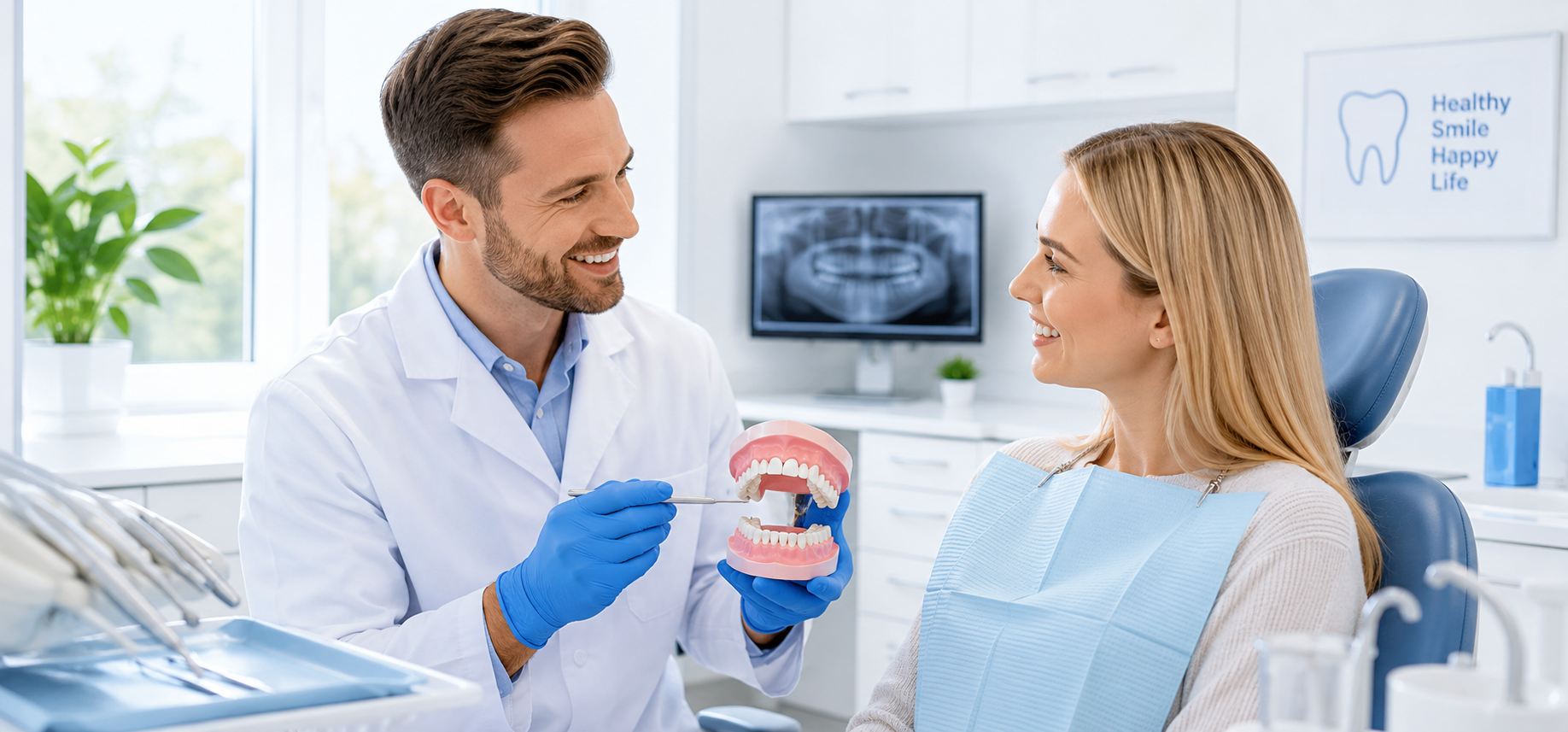
If you live in Branchburg, NJ and want dependable dental care for everyone in your household, a family dentist nearby makes maintaining healthy smiles simple and convenient. A skilled family dentist in Branchburg offers preventive care, pediatric services, modern treatments, and cosmetic options all under one roof, so your whole family gets personalized care without juggling multiple specialists.
They focus on comfort, clear explanations, and modern technology—digital X-rays, same-day restorations, and gentle pediatric approaches—so you can expect efficient visits that address routine cleanings, cavities, orthodontic questions, and smile enhancements.
Trust, flexible scheduling, and payment options matter; this article walks through what to expect at appointments, preventive tips for every age, treatment choices, and how to take the next step toward regular care in Branchburg.
What to Expect at Your Family Dental Visit
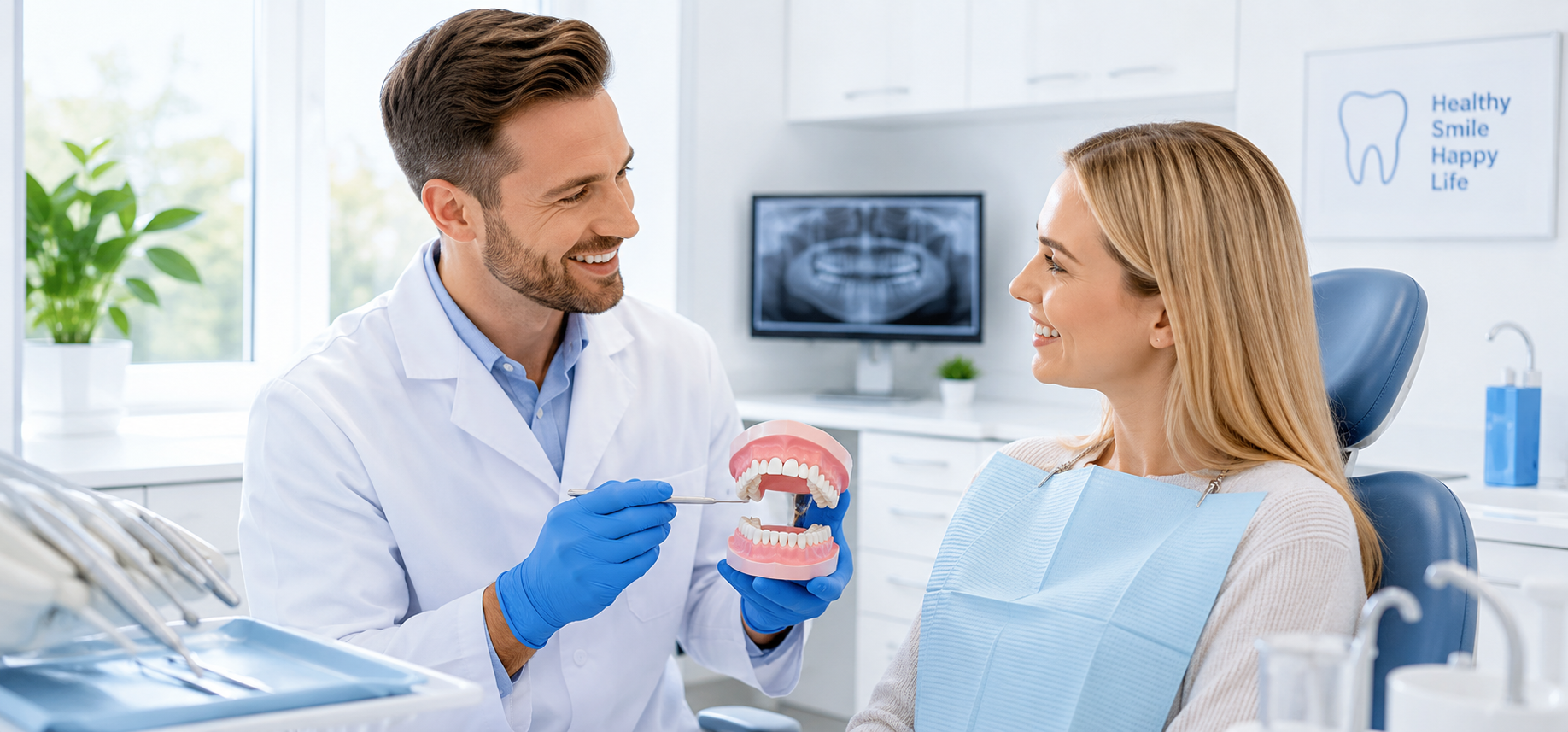
Patients can expect a focused, efficient visit that covers exam, cleaning, imaging when needed, and personalized treatment planning. Staff check medical history, discuss concerns, and confirm insurance or payment details before clinical care begins.
Personalized Patient Experience
The team greets families at reception, verifies insurance and updates health history on a tablet or paper form. A dental assistant escorts the patient to the operatory, reviews any current symptoms (tooth pain, sensitivity, biting changes), and records medications and allergies.
The dentist performs a targeted oral exam, checking teeth, gums, tongue, bite, and existing restorations. Digital X-rays or intraoral photos are used when indicated; these images help detect cavities between teeth, bone loss, or hidden issues not visible to the eye.
After evaluation, the dentist explains findings in plain language and shows images on a monitor. They outline recommended next steps—preventive cleaning, fluoride, sealants for children, fillings, or a referral—plus estimated costs and timelines. Patients receive a printed or emailed care plan and can ask about alternatives, scheduling, or financial options.
Comfort Measures and Anxiety Solutions
The office offers several comfort options: padded chairs, warm blankets, noise-cancelling headphones, and scent-free rooms for sensitivity. Staff routinely apply topical numbing gel before injections and use modern, thinner needles to reduce discomfort during local anesthesia.
For anxious patients, the practice provides multiple sedation levels: nitrous oxide (laughing gas) for light relaxation, oral sedatives prescribed ahead of the visit, and conscious IV sedation when clinically appropriate. Each option is discussed during scheduling to match medical history and patient preference.
Communication remains constant during procedures; the team explains each step and uses hand signals for breaks. Post-treatment instructions are given in writing and orally, covering pain control, diet, and emergency contacts. Patients are encouraged to call with questions or to arrange a pre-visit consultation to review sedation and comfort choices.
Preventive Dental Care for All Ages
Preventive care keeps teeth healthy, prevents pain, and reduces long-term costs. Regular checkups, protective treatments, and family education form the foundation of lasting oral health.
Routine Exams and Professional Cleanings
Routine exams typically occur every six months, though frequency may increase for people with gum disease, diabetes, or a history of cavities. During an exam, the dentist inspects teeth, gums, bite alignment, and oral tissues, and may take digital X-rays to spot hidden decay or bone loss.
Professional cleanings remove tartar and plaque that brushing and flossing miss. Hygienists use scaling and polishing tools and may apply a fluoride polish to strengthen enamel. Cleanings also give the clinician a chance to document changes and recommend targeted care—such as more frequent visits, periodontal therapy, or a sealant for a child’s permanent molar.
Patients should bring a list of medications, recent medical changes, and any oral concerns. Early detection of cavities, gum inflammation, or oral lesions often means simpler, less costly treatment.
Dental Sealants and Fluoride Treatments
Dental sealants consist of a thin resin applied to the chewing surfaces of molars to block grooves where food and bacteria collect. Dentists commonly recommend sealants for children as soon as permanent molars erupt (about ages 6 and 12), but adults with deep pits can also benefit.
Fluoride treatments use a concentrated varnish or gel to remineralize enamel and reduce sensitivity. Pediatric varnish is quick to apply and safe; adults may receive higher-strength options when decay risk is elevated. Many practices pair fluoride with hygiene visits for convenience.
Both sealants and fluoride are cost-effective preventive measures. Insurance often covers pediatric applications; adults should check benefits or discuss flexible payment options with the office.
Oral Health Education for Families
Effective family education focuses on age-specific routines, product recommendations, and behavior strategies. For infants, caregivers learn safe cleaning of gums and when to book the first dental visit (by the first birthday). For children, clinicians demonstrate brushing technique with a pea-sized fluoride toothpaste and explain flossing once teeth touch.
Teen guidance covers orthodontic care, sports mouthguards, and managing snack habits that elevate cavity risk. For adults and seniors, education includes how medications affect saliva, strategies to reduce dry mouth, and recognition of early gum disease signs like persistent bleeding.
Clinics often provide printed care plans, visual demonstrations, and links to short how-to videos. They invite questions and schedule timely follow-ups to reinforce habits and adjust recommendations as family needs change.
Modern Treatment Options for Common Dental Needs
Modern offices prioritize comfort, durability, and natural appearance when treating cavities and damaged teeth. Patients can expect minimally invasive techniques, tooth-matching materials, and options that preserve healthy enamel.
Gentle Cavity Fillings
Dentists use conservative preparation to remove decay while preserving as much natural tooth as possible. They typically prefer composite resin fillings that bond to enamel and dentin, reducing the need for extensive drilling and strengthening the remaining tooth.
Local anesthesia is precise and often paired with topical numbing to minimize discomfort during the procedure. For anxious patients, dentists may offer nitrous oxide or oral sedatives; pediatric patients commonly receive behavior-focused techniques and smaller instruments.
Composite fillings cure quickly with a visible light and can be shaded to match the patient’s teeth. They resist thermal expansion better than older materials, lower the risk of fracture, and allow for immediate function after placement.
Post-procedure care includes avoiding hard foods for 24 hours if a deep bite adjustment was needed, maintaining good oral hygiene, and scheduling routine checkups so the dentist can monitor margins and wear.
Tooth-Colored Restorations
Tooth-colored restorations cover a range of treatments from inlays and onlays to full crowns made from porcelain or zirconia. These materials mimic enamel translucency and strength while providing stain resistance for front and back teeth.
The process often uses digital scans and CAD/CAM milling for precise fits; many offices can fabricate same-day crowns in a single visit. For multi-visit cases, temporary restorations protect the tooth while the lab matches color and contour.
Zirconia offers high strength for molars and bridges, while layered porcelain gives superior esthetics for front teeth. The dentist selects the material based on bite forces, adjacent tooth shade, and conservation of existing tooth structure.
Maintenance is straightforward: brush, floss, and avoid chewing ice or very hard objects. Regular exams and periodic polishing keep the restorations looking natural and extend their lifespan.
Cosmetic Services for Natural-Looking Smiles
This office focuses on treatments that improve color, shape, and symmetry while preserving healthy tooth structure. Patients receive tailored plans that balance immediate aesthetic goals with long-term dental health.
Teeth Whitening Solutions
The practice offers in-office Zoom whitening and custom take-home trays that use professional-grade carbamide or hydrogen peroxide gels. In-office sessions lighten teeth by several shades in about 60–90 minutes, with chairside desensitizing options for patients prone to sensitivity.
Take-home trays provide gradual whitening over 1–2 weeks and allow patients to touch up shades later. The dentist evaluates restorations first, since crowns and veneers don’t whiten; matching or replacing restorations may be recommended for a uniform result. Staff review habits that cause staining—coffee, red wine, tobacco—and suggest maintenance routines, including professional polishing at regular cleanings.
Smile Makeovers
Smile makeovers combine conservative cosmetic veneers, tooth-colored composite bonding, and clear-alignment therapy to correct chips, gaps, and mild crowding. The team begins with digital smile design and intraoral photos to preview changes and set realistic expectations.
Veneers require minimal enamel reduction and typically need two visits: preparation and final placement. Composite bonding repairs surface flaws in a single appointment and preserves more natural tooth structure. For alignment, clear aligners address spacing and rotation in predictable stages and often integrate with whitening or bonding for a complete transformation. Financing and phased treatment plans help patients achieve results without compromising routine dental care.
Specialized Pediatric Dentistry
This section explains how pediatric-focused care makes dental visits less stressful and more effective for children. It highlights behavior guidance, developmentally appropriate treatments, and practical office features that support young patients and their families.
Creating Positive Early Experiences
Pediatric dentists in Branchburg focus on building trust during the first visits by using short, predictable appointments and simple language. They schedule the first checkup by age one or within six months of the first tooth to monitor eruption patterns and identify early concerns like tooth decay or developmental issues.
Clinicians use behavior guidance techniques such as tell–show–do, positive reinforcement, and distraction with age-appropriate toys or videos. For children with higher anxiety or special needs, the team offers desensitization visits and collaborates with caregivers to create individualized plans. Preventive measures — fluoride varnish, dental sealants, and diet counseling — get prioritized and explained to parents in concrete steps they can follow at home.
Child-Friendly Dental Practices
Modern family dental practices in Branchburg adapt the physical space and scheduling to children’s needs. Waiting rooms often include child-sized furniture, books, and distraction screens; operatories have colorful decor and quick-turn rooms to reduce wait time between children.
Staff training emphasizes pediatric behavior management, emergency readiness, and communication strategies for different developmental stages. The office provides clear, written care plans after each visit and schedules follow-up recall intervals tailored to caries risk. Insurance coordination and flexible appointment blocks — short morning slots for toddlers, longer late-afternoon visits for school-age children — make treatment practical for busy families.
Advanced Technology and Digital Dentistry
Modern Branchburg family dentists use digital tools to make care faster, gentler, and more predictable. Digital X‑rays and cone beam CT scans reduce radiation and show details that help catch problems early.
Intraoral scanners replace messy impressions with quick, comfortable digital scans. These scans speed up crown, bridge, and aligner work and improve fit by capturing precise shapes of teeth and gums.
CAD/CAM systems let dentists design and mill restorations in‑office, often finishing same‑day crowns. Patients save time and avoid temporary crowns in many cases.
Laser dentistry helps with soft‑tissue procedures like gum contouring and cold‑sore treatment. Lasers can reduce bleeding and discomfort and generally speed healing.
Digital treatment planning integrates images, scans, and patient records for clearer communication. Dentists can show patients a visual plan, explain options, and set realistic expectations.
Benefits at a glance:
- Comfort: Less gagging, fewer physical impressions, faster visits.
- Accuracy: Better-fitting restorations and more precise diagnoses.
- Speed: Faster lab work, same‑day restorations, streamlined appointments.
- Safety: Lower radiation with digital imaging.
The practice emphasizes patient comfort and clear explanations. Patients are encouraged to ask about these technologies during their next visit to learn which options suit their needs.
Your Trusted Dental Team in Branchburg NJ
The team focuses on patient comfort, modern treatments, and preventive care. Staff credentials, clinical roles, and ongoing training create a consistent experience from check-in to treatment.
Meet the Caregivers
The practice includes two general dentists, a pediatric dentist who sees children on weekdays, and a part-time endodontist for complex root canals. Each dentist lists their degrees and state licensure in the waiting room and on the website, so patients can confirm credentials quickly.
Dental hygienists provide cleanings, nutritional counseling, and oral cancer screenings; they typically schedule 30–45 minute hygiene visits. The front-desk coordinator handles insurance verifications, preauthorizations, and appointment reminders to reduce confusion and out-of-pocket surprises.
Clinical assistants prepare rooms, take digital X-rays, and chairside-assist during procedures. All staff complete patient-intake training for anxious or special-needs patients to ensure clear communication and comfort during visits.
Commitment to Continuing Education
Dentists complete at least 20–40 hours of continuing education annually, with recent courses in implant placement, digital smile design, and minimally invasive restorations. The practice posts a rotating CE board in the reception area showing each clinician’s most recent courses and certificates.
Hygienists attend workshops on periodontal maintenance and new ultrasonic scaling protocols every year. The office invests in team training for sedation safety, CPR recertification, and emergency medical response to keep patient safety current.
The practice adopts new techniques only after clinical review and hands-on team training. Equipment updates—such as cone-beam CT calibration and intraoral scanner software—occur following vendor training and documented competency checks.
Convenient Scheduling and Flexible Payment Options
The practice understands busy family calendars and offers extended weekday hours plus select Saturday appointments. Patients can choose morning, evening, or weekend slots to fit school, work, and activities without sacrificing care.
Online scheduling and phone booking make appointment setup quick and clear. A friendly team confirms visits and sends reminders so families miss fewer appointments and stay on top of preventive care.
Insurance is accepted from major carriers, and staff help verify benefits before treatment. They explain coverage in plain language and outline any out-of-pocket costs so families can plan.
For uninsured or high-cost treatments, the office offers flexible payment options. These include interest-free short-term plans, low-monthly financing, and in-office payment arrangements tailored to family budgets.
A simple table summarizes common options:
| Option | Best for | Typical use |
|---|---|---|
| In-network insurance | Routine preventive care | Cleanings, exams, X-rays |
| Out-of-network assistance | Patients with private plans | Major restorative work |
| Interest-free plans | Short-term budgeting | Crowns, implants |
| Low-monthly financing | Larger treatments | Orthodontics, full-mouth plans |
Front-desk staff walk families through each choice and answer questions about timing, costs, or insurance claims. They encourage patients to call or message with financial concerns so care stays affordable.
They invite families to book a consultation to discuss scheduling needs and payment plans tailored to their situation.
How to Take the Next Step Toward a Healthy Smile
They should start by scheduling a short consultation with a trusted family dentist in Branchburg, NJ. A 20–30 minute visit lets the team review medical history, examine teeth, and discuss goals without pressure.
Patients benefit from clear, practical planning. The dentist will outline preventive steps—cleanings, fluoride, and sealants—plus any restorative care if needed, with estimated timelines and costs.
Ask about comfort options and flexible scheduling. Many practices offer sedation choices, evening appointments, and same-day restorations to reduce anxiety and fit busy family routines.
Use this quick checklist when calling or booking online:
- Bring insurance information and a current medication list.
- Note any dental fears or past negative experiences.
- Prepare questions about exam findings, payment plans, and follow-up care.
They should expect personalized follow-up and reminders. Modern offices often send text or email confirmations and post-op instructions to make care simple.
Patients who want to explore options can request a virtual consult or new-patient forms ahead of time. This makes the first in-office visit faster and helps the team tailor treatment to each family’s needs.
Contact the Branchburg family dentist to ask questions, confirm services, or book an appointment—this small step starts a reliable path to lasting oral health.
Frequently Asked Questions
This section answers practical questions about choosing a family dentist, what to expect for children, options for dental anxiety, scheduling cleanings, modern cavity treatments, and when a dentist might prescribe fluconazole. It focuses on concrete steps, typical timelines, and common protocols used by family dentists in Branchburg, NJ.
How do I choose a dentist who’s a good fit for my whole family, from kids to grandparents?
Look for a practice that lists pediatric, general, and restorative services and shows staff experience with children and older adults.
Read recent patient reviews mentioning comfort with kids and seniors, appointment flexibility, and clear billing practices.
Confirm the office offers age-appropriate equipment (child-sized chairs, step stools) and accessibility features for limited mobility.
Ask about preventive programs, insurance and payment plans, emergency availability, and whether they coordinate care with specialists when needed.
What can I expect at my child’s first dental visit, and how can I help them feel comfortable?
The first visit typically includes a gentle exam, cleaning if tolerated, and a short discussion of home care and diet.
Bring familiar items, plan a calm arrival, and keep explanations simple: say the dentist will “count teeth and make sure they’re strong.”
Tell the dentist about past medical history, teething issues, or thumb-sucking so they can tailor the visit.
Expect demonstrations with a mirror, positive reinforcement, and a short fluoride varnish if appropriate for the child’s age.
What are the best options if I have dental anxiety and want a gentler, more comfortable experience?
Many family practices offer nitrous oxide (laughing gas), oral sedatives, and calming office techniques like noise-cancelling headphones.
Practices also use progressive desensitization: short visits to build trust before doing more complex care.
Ask about staff training in behavior management and whether the dentist uses a quiet treatment room or flexible scheduling for anxious patients.
Discuss medical history and medications beforehand so the team can choose the safest, most effective option.
How often should my family schedule cleanings and checkups, and what signs mean we should come in sooner?
Routine cleanings and exams every six months suit most patients for cavity prevention and gum health monitoring.
Children with high cavity risk or adults with gum disease may need recall visits every three to four months.
Come in sooner for sudden tooth pain, swelling, a knocked-out tooth, bleeding gums that don’t stop, or a loose crown or filling.
Early evaluation prevents complications and often reduces the need for more invasive treatment.
What modern treatments are available for fixing cavities and restoring teeth with minimal discomfort?
Dentists now use tooth-colored composite fillings, glass ionomer for certain pediatric cases, and adhesive bonding to preserve more natural tooth structure.
Air abrasion and micropreparation techniques reduce the need for anesthetic in small cavities.
For larger damage, same-day CEREC crowns or partial ceramic restorations minimize visits.
Topical anesthetics, efficient local blocks, and sedation options keep procedures comfortable.
Can a dentist prescribe fluconazole, and when would that be appropriate?
Yes; dentists can prescribe systemic antifungals like fluconazole for oral fungal infections such as recurrent or severe oral thrush.
They typically reserve fluconazole for cases that do not respond to topical antifungals or when the infection is extensive or in immunocompromised patients.
The dentist reviews medical history and medications to avoid interactions, and may coordinate care with the patient’s primary physician.
If symptoms include persistent white patches, soreness, or changes in taste, the dentist will evaluate and recommend the proper antifungal approach or referral.