
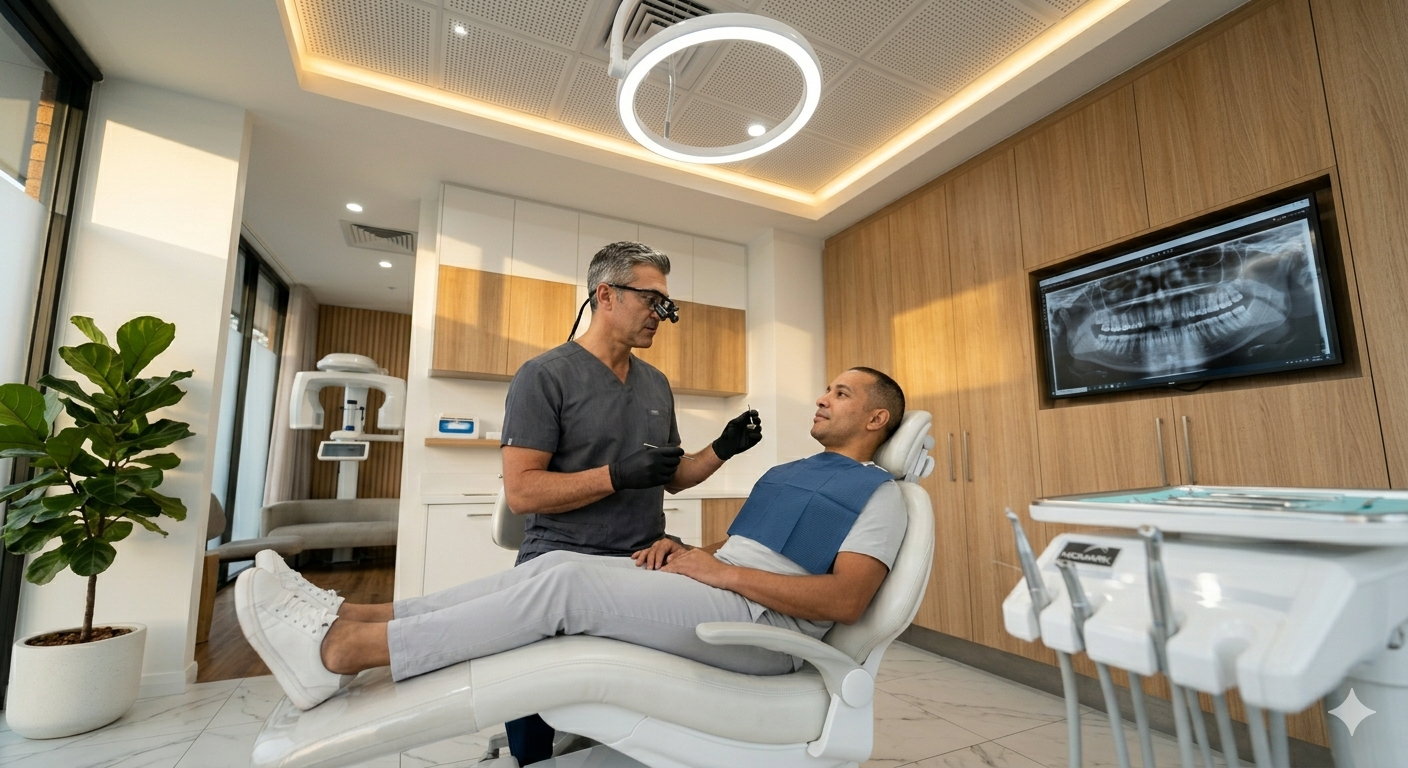
You may be waking up tired, snoring loudly, or told you stop breathing at night — those are signs to take seriously in Branchburg. You can get effective, comfortable sleep apnea treatment close to home through dental-based options, tailored testing, and coordinated care that focuses on your comfort and long-term sleep health.
The article explains how local dentists work with sleep specialists, what modern treatments like oral appliances and CPAP alternatives involve, and how a personalized care plan can restore restful sleep. Expect clear steps for evaluation, what to expect during treatment, and how to choose a Branchburg dental team that makes treatment easy and supportive.
Understanding Sleep Apnea
Sleep apnea occurs when breathing repeatedly stops or becomes very shallow during sleep. It often reduces oxygen levels, disrupts sleep architecture, and causes daytime sleepiness and health risks.
What Happens During Sleep Apnea
Obstructive sleep apnea (OSA) is the most common type. During OSA, throat muscles relax and the soft tissues at the back of the throat collapse, partially or completely blocking the airway. This causes reduced airflow and louder, often intermittent, breathing efforts as the body struggles to inhale.
When the brain senses low oxygen or rising carbon dioxide, it briefly arouses the person to reopen the airway. These arousals can happen dozens or even hundreds of times per night, preventing deep, restorative sleep. Central sleep apnea, less common, involves the brain failing to send consistent breathing signals; it lacks the physical obstruction but produces similar sleep disruption.
Common Signs and Symptoms
Loud, habitual snoring—especially with choking or gasping episodes—is a key sign. Partners often report observed pauses in breathing or abrupt awakenings with shortness of breath.
Daytime symptoms include excessive sleepiness, difficulty concentrating, morning headaches, and irritability. People may also notice dry mouth, sore throat on waking, or frequent nocturnal urination. Risk factors that increase symptom likelihood include overweight/obesity, a narrow airway, enlarged tonsils, a large neck circumference, smoking, alcohol use before bed, and certain medications that relax airway muscles.
Risks of Ignoring Sleep Apnea
Untreated sleep apnea raises the risk of hypertension, heart disease, stroke, and type 2 diabetes. Repeated low oxygen episodes strain the cardiovascular system and increase inflammatory markers that contribute to these conditions.
Daytime impairment from poor sleep contributes to work errors and higher risk of motor vehicle accidents. Cognitive issues such as memory lapses and slowed reaction time can persist. For dental patients, untreated OSA may worsen teeth grinding (bruxism) and affect success rates of oral appliance therapy if underlying factors aren’t addressed.
If symptoms or risks apply, a clinical evaluation and sleep testing help determine severity and guide treatment choices, from CPAP and oral appliances to positional therapy or surgical options.
How Dentists Can Help with Sleep Apnea
Dentists can offer effective, noninvasive options that reduce snoring and mild-to-moderate obstructive sleep apnea (OSA). They provide custom oral appliances, coordinate care with sleep physicians, and monitor dental and airway changes over time.
The Role of Dental Devices
Dental sleep medicine focuses on oral appliance therapy (OAT), which uses a custom-fitted device worn during sleep to reposition the lower jaw and tongue. These devices—commonly mandibular advancement devices (MADs)—slide the lower jaw forward to enlarge the airway and reduce airway collapse. Appliances are fabricated from precise dental impressions or digital scans and adjusted for comfort and effectiveness.
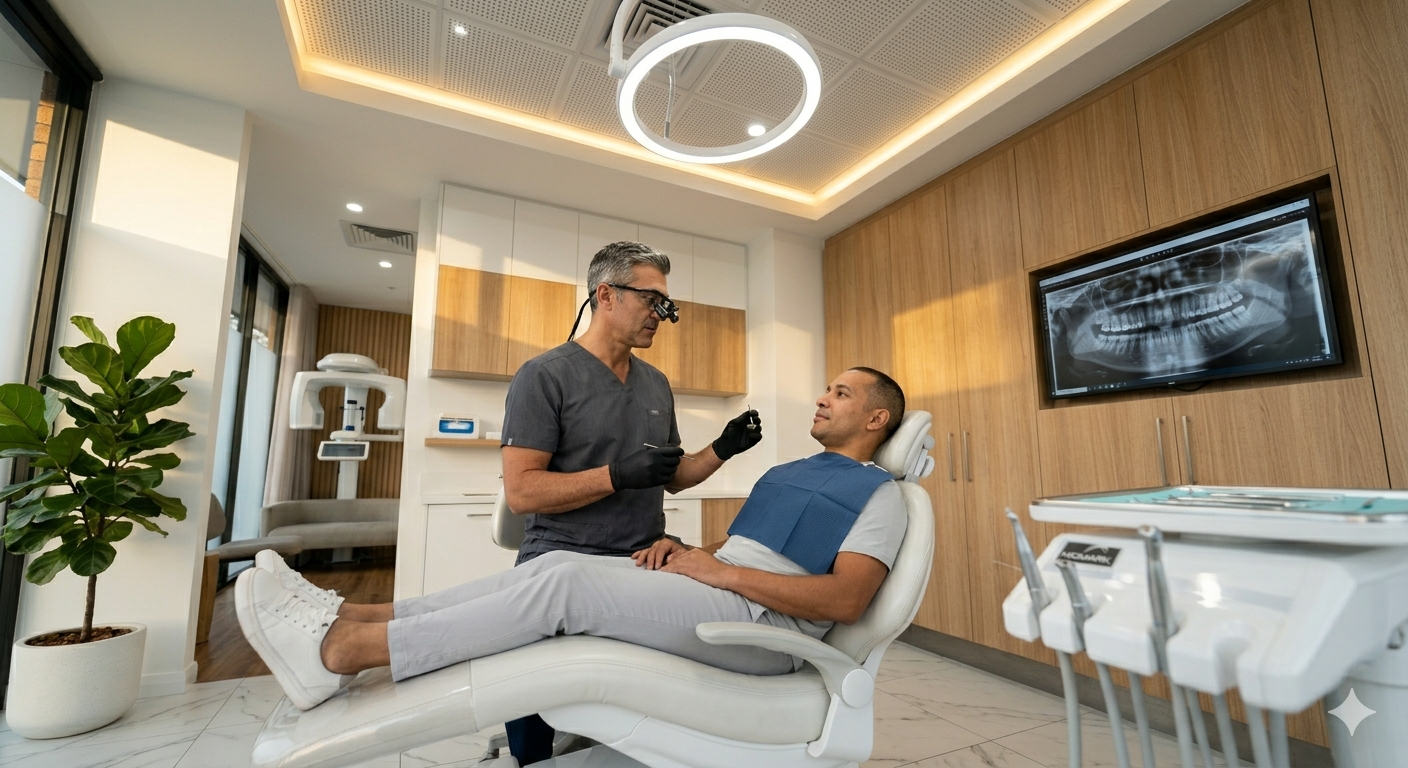
A dentist evaluates dental health, jaw joint function, and bite to determine candidacy. They measure daytime bite changes, assess for bruxism, and fit the device to minimize tooth movement and jaw pain. Follow-up visits—typically every 4–8 weeks initially—verify symptom improvement and make bite adjustments.
Collaboration with Local Medical Professionals
Dentists work closely with sleep physicians, primary care providers, and ENT specialists to ensure safe, coordinated care. A sleep study (polysomnography or home sleep apnea test) often confirms OSA severity before dental therapy begins. The dentist reviews test results and aligns appliance goals with the treating physician.
Shared documentation tracks respiratory indices, symptom reports, and side effects. If a patient has severe OSA, significant comorbidities, or CPAP intolerance, the dental team consults specialists to modify the plan or consider combination therapy. Clear communication prevents duplicated treatments and improves outcomes.
Advantages of Dental Sleep Solutions
Oral appliances offer comfort, portability, and simpler daily routines compared with CPAP for many patients. They are quiet, battery-free, and often preferred for travel or mild-to-moderate OSA. Studies show good adherence among patients who cannot tolerate CPAP, and many experience reduced daytime sleepiness and snoring.
Dentists can tailor appliances to protect teeth and TMJ health while monitoring for occlusal changes. For patients with mild airway obstruction or who refuse CPAP, oral devices deliver a practical, effective alternative when used under professional supervision. Patients should discuss expected benefits, risks, and follow-up requirements with their dental team.
Modern Treatment Options Available in Branchburg
Branchburg clinics offer device-based therapies, behavioral strategies, and advanced diagnostics tailored to each patient’s anatomy and lifestyle. Patients can expect personalized care plans that balance effectiveness, comfort, and day-to-day practicality.
Custom Oral Appliances
Custom oral appliances are molded dental devices worn during sleep to reposition the lower jaw and tongue, reducing airway collapse. Local dental sleep medicine specialists take digital scans and jaw records, then design appliances like mandibular advancement devices (MADs) that fit precisely and minimize sore jaw or bite changes.
These appliances work best for mild to moderate obstructive sleep apnea (OSA) or for patients who cannot tolerate CPAP. Clinics in Branchburg provide follow-up titration, periodic bite checks, and night-time symptom reviews to ensure continued effectiveness and comfort.
Insurance often covers part of the cost when prescribed for diagnosed OSA; staff typically help with preauthorization. Long-term care includes annual evaluations and device replacement every 2–5 years depending on wear.
Lifestyle Changes and Support
Branchburg providers combine device therapy with targeted lifestyle interventions that improve sleep apnea outcomes. Weight management programs focus on achievable steps: gradual weight loss, portion control, and referral to nutritionists when appropriate. Patients receive practical advice on alcohol reduction and sleep-position training to decrease supine sleep, which often worsens airway collapse.
Smoking cessation resources and coordinated care with primary physicians address comorbid conditions like hypertension and diabetes. Clinics also offer sleep hygiene coaching—consistent sleep schedules, screen-time limits before bed, and bedroom environment adjustments—to enhance overall treatment response.
Support includes structured follow-ups, symptom tracking apps, and local support groups that promote adherence and troubleshoot common barriers like daytime sleepiness or partner disturbance.
Advanced Screening Tools
Branchburg practices use modern screening and diagnostic tools to pinpoint the causes and severity of apnea with greater precision. Home sleep apnea testing (HSAT) devices allow validated overnight studies in the patient’s bedroom, while in-lab polysomnography remains available for complex cases or when HSAT results are inconclusive.
Imaging and airway assessment technologies—such as cone-beam CT scans and fiberoptic nasopharyngoscopy—help clinicians visualize obstruction sites and plan targeted interventions. Objective outcome monitoring includes CPAP adherence trackers, event index reports, and follow-up HSATs to confirm therapy effectiveness.
These tools enable data-driven decisions: choosing oral appliance adjustments, escalating to CPAP or referral for surgical consultation, and documenting improvement for insurance or medical records.
Personalized Sleep Apnea Care Process
The practice begins with a focused assessment, creates a clear stepwise treatment plan tailored to anatomy and lifestyle, and provides ongoing follow-up to optimize comfort and effectiveness.
Initial Consultation and Evaluation
The patient completes a medical and sleep history questionnaire that asks about snoring frequency, witnessed apneas, daytime sleepiness (Epworth score), BMI, neck circumference, and current medications. A focused oral exam documents airway anatomy: Mallampati score, tonsil size, palate position, and dental status for appliance candidacy.
If indicated, the clinician orders a home sleep apnea test (HSAT) or in-lab polysomnography to measure AHI, oxygen desaturation index, and sleep architecture. Imaging such as panoramic X-ray or CBCT is used when structural issues or surgical planning are suspected. The team reviews results with clear numeric findings and explains risks, benefits, and expected outcomes for CPAP, oral appliance therapy, positional therapy, or referral for surgical evaluation.
Step-by-Step Treatment Journey
Treatment selection begins with the least invasive effective option. For mild-to-moderate obstructive sleep apnea, a custom-fitted mandibular advancement device (MAD) is often offered; impressions or digital scans are taken, and a trial fit is scheduled within 2–4 weeks. The device is titrated gradually in-office to balance airway improvement and jaw comfort, with sleep diaries and partner reports used to gauge effectiveness.
For moderate-to-severe apnea or patients who prefer it, CPAP is introduced with mask fitting, pressure titration (auto-CPAP or in-lab titration), and education on mask care. The clinic sets measurable goals: reduce AHI to <5 when possible, improve daytime sleepiness scores, and increase objective nightly use. If anatomical contributors are identified, the patient may be referred to ENT for septoplasty, turbinate reduction, or hypoglossal nerve stimulation, with coordinated handoffs and shared records.
Ongoing Support and Adjustments
Follow-up visits occur at 1–3 months after device delivery and then every 6–12 months or sooner if symptoms persist. The clinic monitors objective adherence data (CPAP hours and leak rates) or oral appliance efficacy via follow-up HSAT; adjustments are made based on numbers and patient comfort. Staff provide troubleshooting for mask fit, skin irritation, dry mouth, jaw discomfort, and device cleaning.
Patient education emphasizes weight management, sleep position training, and avoiding sedatives or alcohol near bedtime. When side effects arise—TMJ pain, dental changes, or persistent sleepiness—the team modifies the device, pursues alternate therapies, or orders repeat testing. They encourage questions and schedule timely visits to maintain long-term success and comfort.
Living Well after Treatment
Treatment brings clearer breathing, fewer daytime sleepiness episodes, and measurable blood pressure improvements. Patients should expect to follow a maintenance plan, adopt lifestyle habits that protect airway function, and involve family in ongoing support.
Benefits of Restful Sleep
Restful sleep reduces daytime fatigue, improves concentration, and lowers cardiovascular strain. Patients who use CPAP or a custom oral appliance consistently often report sharper memory, better mood stability, and more energy for daily tasks like work and driving.
Improved oxygenation during sleep decreases sympathetic nervous system activation. Clinically, this can mean fewer morning headaches and a reduction in nighttime blood pressure spikes.
Sleep quality also supports metabolic health. Better sleep helps with glucose regulation and can aid weight-management programs when combined with diet and exercise.
Tips for Long-Term Health
Adhere to device use and cleaning schedules exactly as prescribed to maintain efficacy and prevent infections. Replace CPAP masks, filters, and hoses per manufacturer timelines; oral appliances need periodic adjustment and professional cleaning.
Schedule follow-up sleep studies or titration appointments when symptoms return or weight changes by more than 10 pounds. Regular cardiovascular and dental checkups help detect treatment-related issues early, such as skin irritation from masks or dental occlusion changes from devices.
Adopt specific lifestyle habits: lose weight gradually if indicated, avoid alcohol within three hours of bedtime, stop smoking, and maintain a consistent sleep schedule. Track progress with a sleep diary or wearable that records sleep time and awakenings.
Supporting Your Loved Ones
Family participation improves adherence and recovery. Partners can help by observing snoring patterns, noting daytime sleepiness, and reminding patients to use their device nightly.
Communicate practical needs: establish a nightly routine that includes device setup, quiet bedroom conditions, and contingency plans for travel with equipment. Teach caregivers how to clean and inspect devices and when to call the clinic for troubleshooting.
Emotional support matters. Loved ones should validate frustrations about mask discomfort or adjustment periods, encourage small wins like consecutive nights of use, and accompany the patient to follow-up visits when possible. This builds accountability and improves long-term outcomes.
Choosing the Right Dental Team in Branchburg
Patients should look for a dental team experienced in sleep apnea devices and oral appliance therapy. Teams that work closely with sleep physicians and carry recent training offer coordinated care and up-to-date treatment options.
Comfort and communication matter. A practice that explains testing, options, and follow-up care in plain language reduces anxiety and improves adherence to therapy.
Check credentials and experience. Ask about board certifications, specialized courses in sleep dentistry, and how many sleep apnea patients the team treats each year.
Evaluate technology and testing capabilities. Availability of home sleep testing referrals, digital impressions, and adjustable oral appliances shows the office uses modern, evidence-based approaches.
Consider patient comfort and office culture. Friendly staff, clear scheduling, and flexible financing help patients complete treatment without excessive stress.
Use this quick checklist when calling practices:
- Ask about collaboration with sleep physicians.
- Confirm experience with oral appliance therapy.
- Inquire about follow-up schedules and titration protocols.
- Request patient testimonials or before-and-after outcomes.
A welcoming, expert team improves outcomes and daily comfort. Encourage patients to call and discuss individualized plans or to request a consultation to learn which option fits their lifestyle.
Taking the First Step Toward Better Sleep
Patients in Branchburg who suspect sleep apnea should start by noting symptoms and sleep patterns. Keep a simple log of snoring intensity, nighttime awakenings, daytime tiredness, and any observed breathing pauses; this helps clinicians make a faster, more accurate assessment.
A dental or medical provider will review medical history and perform an exam focused on the airway and jaw alignment. They may ask about weight, medications, and sleep habits, because these factors influence both diagnosis and treatment choice.
If the provider suspects obstructive sleep apnea, they will often recommend a sleep study. Options include in-lab polysomnography or home sleep apnea testing; each has pros and cons that the clinician will explain in plain terms.
For mild to moderate cases, dentists trained in sleep medicine may offer oral appliance therapy as a comfortable, effective alternative to CPAP. The appliance fits like a mouthguard and repositions the jaw to keep the airway open during sleep.
Insurance, cost, and follow-up care matter. Patients should ask about coverage for testing and devices, expected appointment schedules, and how progress will be monitored. Most clinics in Branchburg provide step-by-step guidance and adjustments to ensure comfort and effectiveness.
To move forward, patients are encouraged to schedule an evaluation with a local sleep-trained dentist or physician. They can bring their symptom log and any sleep study reports to make the first visit as productive as possible.
Frequently Asked Questions
This section answers common concerns about snoring, sleep apnea symptoms, evaluations, and dental treatment options in Branchburg, NJ. It focuses on practical signs, what to expect during testing, and how oral appliances compare to CPAP.
How do I know if my snoring is a sign of something more serious?
Loud, frequent snoring accompanied by gasping, choking, or pauses in breathing suggests obstructive sleep apnea (OSA).
If a partner notices these events or if daytime sleepiness interferes with work, schedule an evaluation with a sleep-trained dentist or physician.
What are the most common symptoms of sleep apnea that patients overlook?
Many patients miss morning headaches, persistent dry mouth, or sore throat after sleep as red flags.
Mood changes, difficulty concentrating, and falling asleep during quiet activities are also commonly underestimated signs.
What happens during a sleep apnea evaluation, and will it be comfortable?
The clinic reviews medical history, sleep patterns, medications, and risk factors like BMI and neck size.
A home sleep test or in-lab study measures breathing, oxygen levels, and sleep stages; home tests are noninvasive and use small sensors and a chest band.
Can a custom oral appliance help, and how does it compare to a CPAP machine?
Custom oral appliances reposition the lower jaw and tongue to keep the airway open; they suit mild to moderate OSA and patients who can’t tolerate CPAP.
CPAP remains the most effective for moderate to severe OSA because it delivers continuous air pressure; oral appliances are quieter, portable, and often preferred for comfort and travel.
How long does it take to get used to a dental sleep appliance, and will it affect my bite?
Most patients adapt within 1–4 weeks with gradually increasing nightly wear.
Minor tooth or jaw discomfort and temporary bite changes can occur; the dentist monitors fit and makes adjustments to minimize lasting bite shifts.
What lifestyle changes can support treatment and help me sleep better long-term?
Losing even 5–10% of body weight can reduce airway obstruction for many patients.
Avoiding alcohol and sedatives before bed, maintaining regular sleep schedules, and sleeping on the side help improve treatment outcomes and reduce symptoms.